Eco-Friendly Pest Control Denver: A Comprehensive Guide
Introduction
Welcome to an in-depth exploration of the innovative and sustainable approach to pest control known as Eco-Friendly Pest Control Denver. This method represents a paradigm shift in how we manage pests, emphasizing environmental harmony while delivering effective solutions. In this article, we will navigate the diverse facets of eco-friendly pest control, its global impact, economic considerations, technological advancements, regulatory frameworks, and future potential. By delving into these areas, readers will gain valuable insights into a practice that is reshaping the pest management industry.
Understanding Eco-Friendly Pest Control Denver
Definition and Core Components
Eco-Friendly Pest Control Denver refers to an integrated pest management (IPM) approach that utilizes non-toxic or minimally toxic methods to control pests while minimizing environmental harm. It incorporates a range of strategies, including biological control, cultural practices, structural changes, and the use of natural pesticides. The core components can be summarized as:
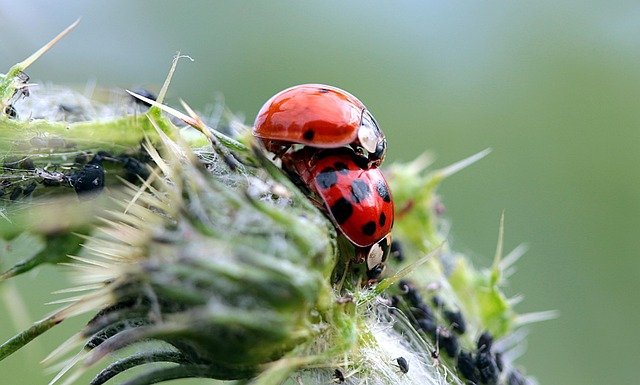
- Biological Control: Introducing beneficial insects or other organisms to suppress pest populations. For instance, ladybugs feasting on aphids.
- Cultural Practices: Modifying cultivation techniques to deter pests naturally, such as crop rotation or planting companion plants.
- Structural Modifications: Physical changes to buildings or environments to prevent pest entry, like sealing gaps and installing traps.
- Natural Pesticides: Using plant-derived or mineral substances with low toxicity to control pests, e.g., neem oil or diatomaceous earth.
Historical Context and Significance
The concept of eco-friendly pest control has evolved over the past few decades as environmental consciousness grew. Traditional pest management heavily relied on synthetic chemicals, which raised concerns about pollution, human health, and ecological impact. In response, researchers and professionals began exploring alternative methods, leading to the development of IPM. Today, with increasing consumer demand for sustainable products and services, eco-friendly pest control is gaining significant traction.
Significance:
- Environmental Protection: Minimizes harm to non-target organisms, beneficial insects, and ecosystems.
- Human Health: Reduces exposure to toxic chemicals, ensuring safer living and working environments.
- Biodiversity Conservation: Supports a healthy balance of natural predators and pests, fostering biodiversity.
- Long-term Sustainability: Offers a holistic approach that considers the long-term health of ecosystems and communities.
Global Impact and Trends
International Influence
Eco-Friendly Pest Control Denver is a global phenomenon, with its principles and practices adopted worldwide. The United Nations' Food and Agriculture Organization (FAO) has been instrumental in promoting IPM as a sustainable alternative to conventional pest control. This movement is evident across various regions:
- North America: Leading the way in eco-friendly pest control, with many states adopting stringent regulations to reduce pesticide use. California's strict guidelines on chemical usage have encouraged businesses and residents to opt for greener alternatives.
- Europe: Strict environmental policies have driven the adoption of IPM across the continent. Countries like Germany and France have implemented robust IPM programs, setting benchmarks for others to follow.
- Asia Pacific: Rapid urbanization and growing awareness about health and safety are driving the demand for eco-friendly solutions in countries like Japan and Australia.
- Latin America: Region-wide efforts to promote sustainable agriculture and pest management have led to increased adoption of IPM principles.
Key Trends Shaping the Trajectory
Several trends are shaping the global landscape of eco-friendly pest control:
| Trend |
Description |
| Regulations and Policies |
Governments worldwide are implementing stringent regulations, such as the European Union's REACH (Registration, Evaluation, Authorisation, and Restriction of Chemicals) program, pushing the industry towards greener alternatives. |
| Consumer Awareness |
Increasing consumer demand for eco-friendly products, driven by health concerns and sustainability ideals, is influencing market dynamics. |
| Technological Integration |
The integration of technology, including IoT sensors and AI-powered solutions, enables more precise and efficient pest control. |
| Research and Innovation |
Ongoing research and development in the field are leading to novel biological controls, improved natural pesticides, and advanced monitoring systems. |
Economic Considerations
Market Dynamics and Investment Patterns
The eco-friendly pest control market is experiencing rapid growth due to increasing consumer preferences for sustainable solutions and regulatory pressures. According to a 2022 report by Grand View Research, the global IPM market size was valued at USD 18.3 billion in 2021 and is expected to grow at a CAGR of 7.5% from 2022 to 2030. This growth presents attractive investment opportunities:
- Service Sector: Eco-friendly pest control services are gaining popularity among residential, commercial, and industrial clients, offering long-term contracts and stable revenue streams.
- Product Sales: The demand for natural pesticides, monitoring tools, and eco-friendly equipment is rising, creating a robust market for product distributors and manufacturers.
- Government Support: Many governments provide incentives and subsidies to promote sustainable practices, further fueling the industry's growth.
Role in Economic Systems
Eco-friendly pest control contributes to economic systems in several ways:
- Job Creation: It generates employment opportunities, from field technicians to research scientists, fostering local economies.
- Environmental Services: By preserving ecosystems and biodiversity, it indirectly supports ecotourism and related industries.
- Reduced Healthcare Costs: Lower use of toxic chemicals can lead to fewer health issues, reducing medical expenses for individuals and communities.
- Long-term Cost Savings: While initial investment costs may be higher, eco-friendly methods offer long-term savings by preventing environmental damage and preserving natural resources.
Technological Advancements
Innovation in Eco-Friendly Pest Control
Technology plays a pivotal role in enhancing the effectiveness and efficiency of eco-friendly pest control:
- IoT Sensors and Monitoring: Internet of Things (IoT) devices enable real-time monitoring of pest populations, weather conditions, and environmental factors, allowing for precise interventions.
- AI-Powered Solutions: Artificial Intelligence algorithms analyze data from sensors and historical records to predict pest outbreaks and recommend tailored control measures.
- Drone Technology: Drones equipped with cameras and advanced sensors can survey large areas, detect pests early, and deliver targeted treatments, ensuring efficient use of resources.
- Biotechnology: Advancements in biotechnology include the development of genetically modified organisms (GMOs) that target specific pests while being harmless to beneficial species.
Impact and Future Potential
These technological innovations have had a profound impact on eco-friendly pest control:
- Improved Precision: IoT and AI enable more precise pest management, reducing the need for chemical applications in non-infested areas.
- Early Detection: Advanced monitoring systems allow for early detection of pest infestations, minimizing damage and cost.
- Targeted Treatments: Drone technology ensures efficient use of natural pesticides, reducing waste and environmental impact.
- Data-Driven Decisions: AI algorithms provide valuable insights into pest behavior and environment interactions, guiding future research and management strategies.
Policy and Regulation
Key Policies and Frameworks
Governments worldwide have recognized the importance of eco-friendly pest control and implemented policies to support its adoption:
- EU's REACH Regulation: As mentioned earlier, this program requires manufacturers and importers to register, evaluate, authorize, and restrict chemicals used in pest control products.
- US EPA (Environmental Protection Agency) Guidelines: The EPA provides voluntary guidelines for the safe use of pesticides, promoting integrated pest management practices.
- National IPM Programs: Many countries have established national IPM programs to educate stakeholders, provide technical assistance, and promote sustainable pest management.
- International Agreements: Organizations like the FAO and WTO (World Trade Organization) have developed agreements to facilitate the global trade of eco-friendly pest control products and services.
Influence on Development
These policies have significantly influenced the development and adoption of eco-friendly pest control:
- Encourages Research and Innovation: Stringent regulations drive research into safer and more effective alternatives, fostering technological advancements.
- Educates Stakeholders: Policies raise awareness among farmers, businesses, and consumers about the benefits and practices of IPM.
- Promotes Market Growth: Government incentives and subsidies encourage companies to invest in eco-friendly products and services.
- Ensures Consumer Safety: Regulations ensure that pest control products meet safety standards, protecting human health and the environment.
Challenges and Criticisms
Overcoming Barriers
Despite its numerous advantages, eco-friendly pest control faces several challenges:
- Initial Cost: The upfront costs of implementing eco-friendly practices can be high, deterring some businesses and homeowners. To address this, governments and organizations offer financial incentives and grants to promote adoption.
- Training and Knowledge: Adequate training is essential for professionals to effectively implement IPM. Ongoing education programs and workshops help bridge the knowledge gap.
- Pest Resistance: Just like in conventional pest control, pests can develop resistance to natural pesticides over time. Continuous research and integrated strategies are necessary to mitigate this issue.
- Cultural Barriers: In some regions, cultural practices may conflict with eco-friendly methods, requiring sensitivity and tailored approaches.
Proposed Solutions
To overcome these challenges, the following strategies can be employed:
- Partnerships: Collaborating between government agencies, research institutions, and private sectors can drive innovation, knowledge sharing, and resource allocation.
- Incentivize Adoption: Governments should offer tax breaks, subsidies, and financial support to businesses and residents adopting eco-friendly practices.
- Community Engagement: Educating communities about the benefits of eco-friendly pest control fosters a collective responsibility for environmental preservation.
- Research and Development: Continued investment in research is crucial to developing new technologies, products, and strategies to address emerging pests and resistance issues.
Case Studies: Successful Applications
1. Urban Green Spaces in Denver
Denver, the namesake of this article, serves as an excellent case study for eco-friendly pest control. The city's Parks and Recreation Department has implemented a comprehensive IPM program for its extensive urban green spaces. This initiative includes:
- Cultural Practices: Companion planting to deter aphids and using beneficial insects like ladybugs and lacewings.
- Structural Modifications: Installing birdhouses and bat boxes to encourage natural predators, reducing the need for chemical interventions.
- Natural Pesticides: Utilizing neem oil and diatomaceous earth for targeted pest control while minimizing environmental impact.
Results: The program has achieved a 30% reduction in pesticide use over the past five years, preserving biodiversity and creating healthier urban ecosystems. This success has attracted international attention, making Denver a model city for sustainable pest management.
2. Organic Farms in California
California's organic farming sector has embraced eco-friendly pest control to meet the high standards of the state's Organic Certification Program. Farmers employ:
- Biological Control: Introducing beneficial insects and parasites to manage pests naturally, reducing reliance on synthetic pesticides.
- Crop Rotation: Shifting crops annually disrupts pest life cycles, minimizing the need for chemical interventions.
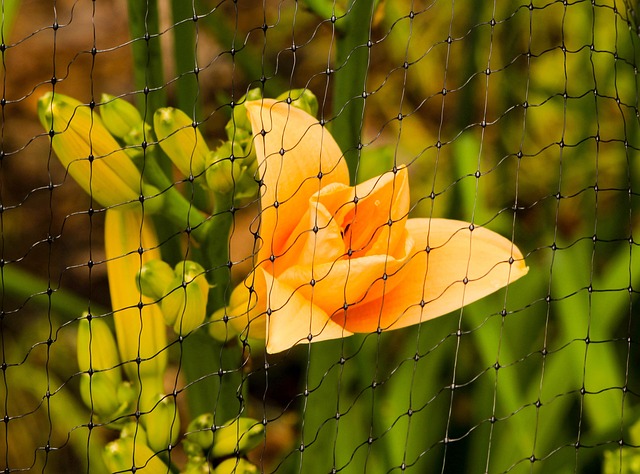
- Physical Barriers: Using row covers and mesh netting to protect plants from insects and other pests.
Impact: These practices have led to improved soil health, increased biodiversity, and reduced environmental pollution. The state's organic farmers have also seen enhanced market opportunities due to growing consumer demand for organic produce.
Future Prospects
Emerging Trends and Growth Areas
The future of eco-friendly pest control is promising, with several emerging trends and growth areas:
- Advanced Technology: The integration of AI, IoT, and drones will continue to revolutionize pest monitoring and control, ensuring more precise and efficient operations.
- Genetic Engineering: Further research into GMOs may lead to the development of new biological controls that target specific pests with greater precision.
- Global Collaboration: Increased international cooperation and knowledge sharing will accelerate innovation and best practice implementation worldwide.
- Sustainable Urban Pest Management: As urbanization grows, there is a rising demand for eco-friendly pest control in urban settings, presenting opportunities for tailored solutions.
Strategic Considerations
To capitalize on these future prospects, stakeholders should consider:
- Research and Development Funding: Continued investment in R&D is crucial to pushing technological boundaries and developing new IPM strategies.
- International Collaboration: Building partnerships across borders fosters knowledge exchange and accelerates the adoption of best practices.
- Policy Support: Governments should maintain and strengthen supportive policies, ensuring a favorable environment for eco-friendly pest control.
- Public Awareness Campaigns: Educating the public about the benefits of eco-friendly pest control encourages individual actions and community support.
Conclusion
Eco-Friendly Pest Control Denver represents a transformative approach to pest management, offering effective solutions while minimizing environmental harm. This comprehensive guide has explored its global impact, economic considerations, technological advancements, policy frameworks, challenges, and successful applications. As the world grapples with increasing pest-related issues and environmental concerns, eco-friendly pest control emerges as a sustainable and vital solution. By embracing these practices, we can protect our planet's health while ensuring food security, preserving biodiversity, and fostering healthier ecosystems for future generations.
FAQ Section
Q: How does eco-friendly pest control differ from traditional methods?
A: Eco-friendly pest control emphasizes non-toxic or minimally toxic methods, biological controls, cultural practices, and structural modifications. In contrast, traditional pest management heavily relies on synthetic chemicals, often with higher environmental and health impacts.
Q: Are these methods as effective as conventional pesticides?
A: Yes, when implemented correctly, eco-friendly pest control techniques are highly effective in managing pests. They may require a different approach and combination of strategies, but they can achieve similar or better results over time.
Q: Can eco-friendly pest control be cost-effective?
A: While initial costs might be higher, the long-term savings from reduced environmental damage, improved ecosystem health, and minimized human health risks make eco-friendly practices cost-effective. Government incentives and subsidies also play a significant role in offsetting initial expenses.
Q: What role does technology play in modern pest control?
A: Technology, including IoT sensors, AI algorithms, drones, and biotechnology, is revolutionizing pest control by enabling more precise, efficient, and data-driven management. These advancements enhance the effectiveness of eco-friendly practices.
Q: How can individuals contribute to eco-friendly pest control?
A: Individuals can contribute by opting for eco-friendly pest control services, using natural pesticides responsibly, promoting biodiversity in their gardens, and supporting local efforts to preserve green spaces. Educating oneself about pests and their natural controls is also valuable.