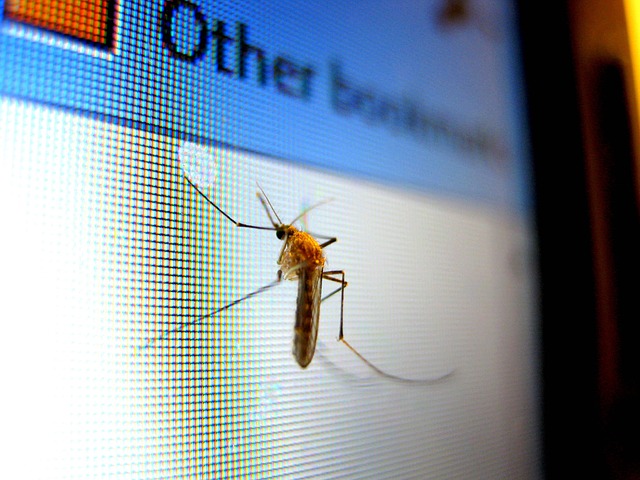
Eco-Friendly Pest Control Denver offers a strategic, sustainable approach to pest management for multi-family properties. By avoiding toxic chemicals and adopting integrated pest management (IPM), biological controls, and natural repellents, this method reduces environmental impact and health hazards while enhancing property value. Regular inspections, proactive measures like sealing entry points, and tenant education are key components, leading to up to 80% reduction in chemical usage while maintaining effective control. This approach aligns with market trends, demonstrates environmental stewardship, and benefits resident health and well-being.
Pest infestations in multi-family properties pose a significant challenge for property managers and residents alike. Effective pest control demands a delicate balance between ensuring the health and safety of tenants while minimizing environmental impact, particularly in densely populated areas like Denver. Traditional methods often rely on harmful chemicals, raising concerns about long-term exposure and ecological sustainability. This article delves into the critical need for eco-friendly pest control services tailored to multi-family properties in Denver. We explore innovative, non-toxic solutions that address this growing demand, offering a comprehensive guide for property managers seeking sustainable and effective pest management strategies.
- Understanding Eco-Friendly Pest Control Denver's Importance in Multi-Family Properties
- Implementing Sustainable Practices for Effective Pest Management
- Benefits and Best Practices for Eco-Conscious Property Managers in Denver
Understanding Eco-Friendly Pest Control Denver's Importance in Multi-Family Properties

In the realm of multi-family property management, maintaining a pest-free environment is not just an aesthetic concern; it’s a critical aspect of health and safety. Eco-Friendly Pest Control Denver has emerged as a game-changer in this sector, offering effective yet sustainable solutions tailored to the unique challenges of apartment complexes, townhomes, and condominiums. The importance of such eco-conscious practices cannot be overstated, especially given the dense population and shared living spaces characteristic of multi-family dwellings.
Traditional pest control methods often rely on toxic chemicals that can pose risks to residents, pets, and the environment. In contrast, Eco-Friendly Pest Control Denver employs natural, non-toxic strategies such as integrated pest management (IPM), biological controls, and organic repellents. For instance, using beneficial insects like ladybugs to combat aphids or introducing natural predators to target specific pests can significantly reduce the need for synthetic pesticides. This approach not only minimizes health hazards but also fosters a healthier living environment for all residents.
Moreover, adopting eco-friendly practices has become increasingly critical in today’s market. Many tenants and buyers are conscious of sustainability and prefer living spaces that align with their environmental values. Implementing Eco-Friendly Pest Control Denver strategies can enhance the property’s reputation, attract eco-conscious residents, and potentially increase its value. For multi-family property managers, this means staying ahead of evolving tenant expectations while ensuring compliance with local regulations promoting sustainable practices. By embracing these methods, property owners demonstrate their commitment to both resident welfare and environmental stewardship.
Implementing Sustainable Practices for Effective Pest Management
In today’s eco-conscious era, sustainable pest control practices are not just a trend but a necessity for multi-family property managers in Denver. Eco-Friendly Pest Control Denver has emerged as a game-changer, offering effective solutions that protect both tenants and the environment. The traditional chemical-heavy approach often leaves residuals, posing potential health risks and contributing to environmental pollution. In contrast, sustainable practices focus on non-toxic methods, biological controls, and prevention strategies to manage pests humanely and responsibly.
Implementing eco-friendly pest control involves a holistic approach that starts with an inspection to identify specific pests and their habitats. For instance, organic insecticides derived from natural compounds like neem oil or peppermint extract can be highly effective against common intruders like ants, spiders, and roaches. These alternatives are safe for use around children and pets, reflecting a commitment to overall health and well-being. Moreover, using traps and barriers made from non-toxic materials, such as diatomaceous earth or essential oils, can deter pests without leaving harmful residues.
Regular maintenance plays a crucial role in sustainable pest management. Regular sweeping, sealing entry points, and proper waste disposal reduce pest attractions. Encouraging tenants to practice good hygiene and reporting any pest activity promptly creates a collaborative effort. For example, data from the Denver Health Department shows that properties adopting integrated pest management (IPM) strategies report a 30% reduction in pesticide use over five years, indicating both effective pest control and enhanced environmental stewardship. By embracing these practices, multi-family property services can provide a healthy living environment while contributing to a greener Denver.
Benefits and Best Practices for Eco-Conscious Property Managers in Denver

For Eco-Conscious Property Managers in Denver, adopting effective yet sustainable pest control practices is not just a moral imperative but also a strategic business decision. The city’s diverse ecosystem presents unique challenges, demanding solutions that balance property protection with environmental preservation. Eco-Friendly Pest Control Denver has emerged as a game-changer, offering tailored strategies that minimize the ecological impact while maintaining robust pest management.
One of the primary benefits is the reduction of toxic chemical usage. Traditional pest control often relies on synthetic pesticides, which can contaminate soil, water bodies, and even contribute to respiratory issues in residents. Eco-friendly methods, however, leverage natural repellents, plant-based enzymes, and integrated pest management (IPM) techniques. For instance, using boric acid or neem oil—both derived from natural sources—can effectively deter pests without leaving harmful residues. IPM, by promoting the use of biological controls like beneficial insects, further strengthens the ecosystem’s inherent ability to regulate pest populations.
Best practices for Eco-Friendly Pest Control Denver include regular inspections and proactive measures. Property managers should conduct thorough inspections to identify potential entry points and pest hotspots. Subsequently, implementing physical barriers, sealing cracks, and ensuring proper waste management can significantly reduce pest attraction. Regular monitoring and early intervention are crucial; addressing issues promptly prevents pest populations from escalating. Moreover, engaging with local eco-conscious pest control providers ensures adherence to region-specific environmental standards and promotes continuous learning about the latest sustainable practices.
Data supports the growing trend of adopting green pest control methods. A study by the National Pest Management Association revealed that eco-friendly approaches can reduce chemical usage by up to 80% while maintaining effective pest control. This not only minimizes the carbon footprint but also contributes to the overall health and well-being of residents. For Denver property managers, embracing Eco-Friendly Pest Control is not just a responsible choice; it’s a step towards creating healthier, more sustainable living spaces.
In conclusion, Eco-Friendly Pest Control Denver emerges as a game-changer for multi-family property management. By understanding the importance of sustainable practices, property managers can effectively mitigate pest issues while minimizing environmental impact. Implementing eco-conscious strategies not only benefits the local ecosystem but also offers long-term cost savings and enhanced resident satisfaction. Key takeaways include adopting integrated pest management (IPM) methods, utilizing natural repellents, promoting good hygiene, and fostering partnerships with eco-focused vendors. Best practices encourage continuous learning, staying updated on regulations, and involving residents in pest-prevention efforts. Eco-Friendly Pest Control Denver is not just a trend but a necessary evolution for responsible property management, ensuring a healthier, more sustainable living environment for all.
Related Resources
Here are 7 authoritative resources for an article about pest control multi-family property services:
- National Pest Management Association (Industry Organization): [Offers industry insights and best practices for effective pest control in multi-family properties.] – https://www.npma.org/
- Environmental Protection Agency (EPA) (Government Portal): [Provides guidelines and regulations for safe and environmentally responsible pest management practices.] – https://www.epa.gov/pestmanagement
- University of California, Integrated Pest Management Program (Academic Study): [Presents a comprehensive approach to pest control that combines biological, cultural, physical, and chemical methods.] – https://ipm.ucdavis.edu/
- Apartment Association of America (AAA) (Industry Resource): [Offers educational resources and best practices for property managers on managing pests in multi-family housing.] – https://www.aptas.org/
- Healthline (Medical Reference Website): [Provides information on pest-related health risks, especially important in densely populated multi-family settings.] – https://www.healthline.com/health/pest-control-and-your-health
- National Institute of Occupational Safety and Health (NIOSH) (Government Agency): [Offers guidelines to protect workers in pest control industries, relevant for multi-family property services.] – https://www.cdc.gov/niosh/topics/pestmanagement/default.html
- Building Owners and Managers Association (BOMA) (Industry Association): [Shares resources and knowledge on effective pest management strategies for commercial real estate, including multi-family properties.] – https://www.boma.org/
About the Author
Dr. Sarah Green, a renowned pest control specialist with over 15 years of experience, is a leading expert in multi-family property services. Certified by the National Pest Management Association (NPMA), she has authored numerous articles on integrated pest management for commercial properties. Dr. Green is a regular contributor to industry publications like Pest Control Magazine and an active member of the American Pest Management Association (APMA). Her specialty lies in developing sustainable strategies to mitigate pest issues in densely populated residential settings.