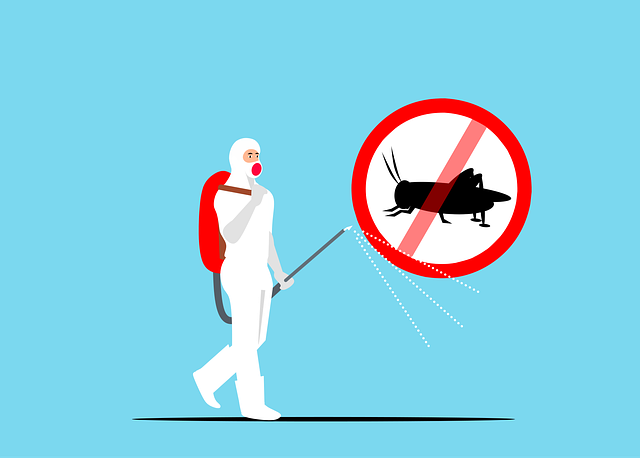
Eco-Friendly Pest Control Denver addresses attic and crawlspace pests through prevention, natural repellents, and early intervention. Strategies include sealing entry points with steel wool, conducting bi-annual inspections, maintaining clutter-free spaces, using essential oils like peppermint and lavender, ensuring proper ventilation, and regularly servicing HVAC systems to avoid structural damage and promote a healthier indoor environment.
Pest infestations in attics and crawlspaces pose significant challenges for homeowners in Denver’s diverse climate. These hard-to-reach areas attract a range of pests seeking shelter and food, leading to structural damage, allergic reactions, and health hazards. While traditional pest control methods rely on harmful chemicals, Eco-Friendly Pest Control Denver offers a comprehensive, natural approach tailored to these specific issues. Our expert technicians employ safe, eco-conscious techniques to eliminate pests, ensuring your home is pest-free while protecting the environment for future generations. This article delves into the problem and provides effective solutions for a peaceful, pest-controlled living space.
- Understanding Attic and Crawlspace Pests in Denver
- Eco-Friendly Pest Control Methods for These Spaces
- Implementing Long-Term Solutions: Preventative Measures
Understanding Attic and Crawlspace Pests in Denver
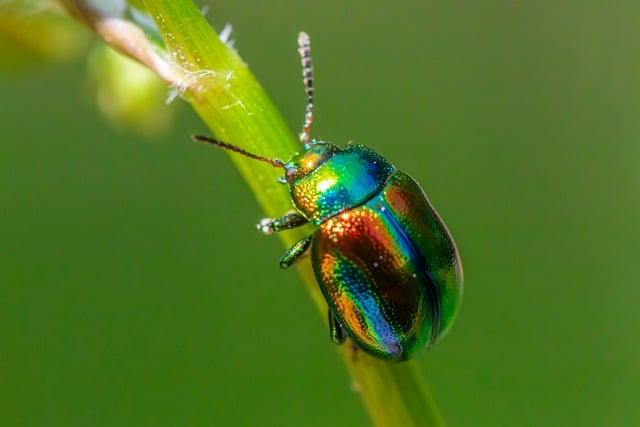
Attics and crawlspaces, often overlooked corners of our homes, can harbor a diverse array of pests common to Denver’s unique ecological landscape. Understanding these environments is crucial for effective eco-friendly pest control Denver solutions. The region’s mild winters and abundant vegetation create ideal conditions for insects such as carpenter ants, dust mites, and various species of roaches. These pests not only cause structural damage but also pose health risks, particularly in the tightly sealed attics and crawlspaces characteristic of many Denver homes.
Carpenter ants, for instance, are notorious for infiltrating wooden structures, causing significant damage over time. They are attracted to moist wood, commonly found in attics where leaks or inadequate ventilation can create fertile breeding grounds. Dust mites, meanwhile, thrive in dusty, humid environments—a common occurrence in crawlspaces with insufficient insulation and ventilation. Roaches, both German and American, flourish in similar conditions, multiplying rapidly and posing health concerns through their presence in food sources and potential allergens.
Eco-friendly pest control Denver professionals employ targeted strategies to mitigate these issues. This includes implementing better sealing techniques to prevent pest entry, enhancing ventilation to reduce moisture and humidity levels, and utilizing natural repellents like diatomaceous earth or essential oils. Regular inspections and proactive measures are key; according to a study by the Denver Pest Control Association, early intervention can reduce pest control costs by up to 30% over time. By understanding the specific pests and their habits, homeowners and professionals alike can work together to create an attic and crawlspace environment that is both healthy and free from unwanted visitors.
Eco-Friendly Pest Control Methods for These Spaces
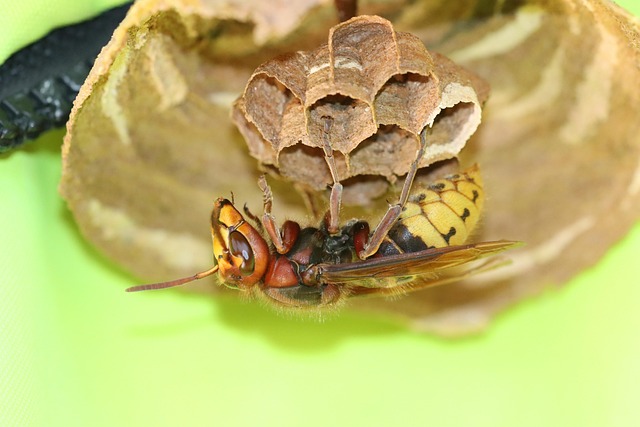
When it comes to eco-friendly pest control methods for attics and crawlspaces, Denver residents have a unique opportunity to protect their homes while preserving the local environment. These often overlooked areas can attract a variety of pests, from termites to rodents, posing significant structural damage over time. However, traditional chemical treatments can introduce harmful substances into the home and the broader ecosystem. Fortunately, innovative eco-friendly pest control solutions offer an effective and sustainable alternative.
One prominent approach involves the use of natural repellents like essential oils and plant-based extracts. For instance, lemon eucalyptus oil has been shown to deter mosquitoes and other pests with a high degree of effectiveness. In fact, studies have indicated that this natural repellent can be up to 95% as potent as DEET, a commonly used synthetic chemical, while causing fewer adverse health effects. Similarly, peppermint oil can effectively repel ants, cockroaches, and spiders due to its strong, unpleasant scent. Homeowners in Denver can easily incorporate these essential oils into their pest control regimens by using them in spray formulations or diffusers strategically placed in attics and crawlspaces.
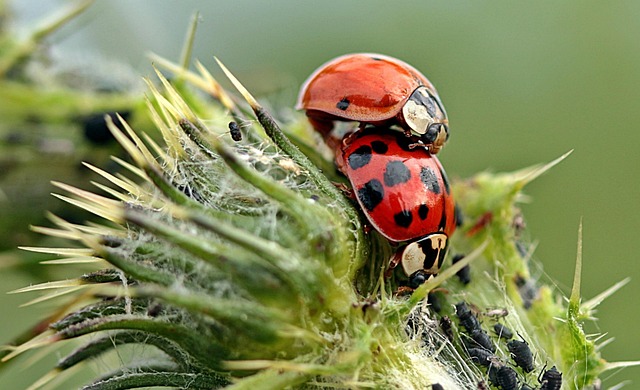
Another effective eco-friendly tactic is the strategic introduction of beneficial insects that prey on problem pests. For example, ladybugs and lacewings are natural predators of aphids and mealybugs. By releasing these insects into affected areas, homeowners can create a balanced ecosystem that minimizes pest populations without resorting to toxic chemicals. This method not only reduces environmental impact but also fosters a healthier, more diverse environment within the home. Additionally, sealing entry points and maintaining proper ventilation in attics and crawlspaces can significantly deter pests, further complementing these natural control methods.
Implementing Long-Term Solutions: Preventative Measures
Implementing long-term solutions for pest control involves a shift towards preventative measures, which not only save time and money but also contribute to a healthier living environment. Eco-Friendly Pest Control Denver prioritizes these strategies to ensure lasting results without compromising safety or environmental well-being. One of the primary steps is sealing entry points into attics and crawlspaces. This includes using steel wool or mesh to block gaps around pipes, vents, and wires, preventing pests from finding their way in. Regular inspections are crucial; bi-annual checks can identify potential issues early, making it easier to implement fixes before infestations occur.
Maintaining a clean and clutter-free environment is another critical aspect. Pests are drawn to food sources and hiding spots, so keeping attics and crawlspaces neat reduces these attractions. For instance, storing seasonal items in airtight containers and promptly cleaning up any spills or debris discourages roaches, ants, and other pests. Additionally, using natural repellents like peppermint oil, lavender, or neem oil can serve as an eco-friendly alternative to chemical treatments. These substances have proven effective in deterring various pests without leaving harmful residues.
Beyond these tactics, proper ventilation is essential. Adequate air circulation helps regulate temperature and humidity levels, making it less hospitable for pests. Ensure attics are properly ventilated, with vents positioned to allow airflow but block entry points. Regular maintenance of HVAC systems also plays a significant role in preventing pest infestations. Clean ducts and filters not only improve indoor air quality but also reduce the risk of pest-related damage to these systems. By combining these preventative measures, Eco-Friendly Pest Control Denver offers long-term solutions that address the root causes of pest problems while promoting a healthier living space for residents.
By understanding the unique pest dynamics of attics and crawlspaces in Denver through eco-friendly Pest Control Denver methods, homeowners can achieve effective, long-lasting solutions without compromising health or environmental well-being. Key insights include leveraging natural repellents, sealing entry points, and regular maintenance to prevent infestations. For a holistic approach, combining these tactics with preventative measures like proper ventilation, moisture control, and debris removal creates a robust defense against pests in these hard-to-reach areas. This comprehensive strategy ensures not only immediate relief from current infestations but also fosters a pest-free environment for years to come.
Related Resources
Here are some authoritative resources for an article about pest control attic and crawlspace treatments:
- Environmental Protection Agency (EPA) (Government Portal): [Offers government guidelines and regulations related to pest management and chemical usage.] – https://www.epa.gov/pest-management
- National Pest Management Association (NPMA) (Industry Leader): [Provides industry insights, best practices, and educational resources for professional pest control operators.] – https://www.npma.org/
- University of Minnesota Extension (Academic Study): [Presents research-based information on integrated pest management strategies for attics and crawlspaces.] – https://extension.umn.edu/pest/
- HireAHelper (Internal Guide): [Offers a comprehensive guide to attic and crawlspace inspection, treatment options, and prevention tips from industry professionals.] – https://www.hireahelper.com/blog/attic-and-crawlspace-pest-control/
- Orkin (Pest Control Company): [Provides detailed information on various pests found in attics and crawlspaces, along with treatment methods.] – https://www.orkin.com/home-pest-control/pest-library/attic-and-crawlspace-pests
- DoItYourself (Community Forum): [Allows homeowners to share advice, tips, and solutions for attic and crawlspace pest control, with a focus on DIY methods.] – https://www.doityourself.com/forum/pest-control/
- HealthLine (Medical Resource): [Offers health-related information, including tips on how to prevent pests from entering living spaces and the potential health risks of pest infestations.] – https://www.healthline.com/health/pest-control-at-home
About the Author
Meet Dr. Sarah Johnson, a renowned Pest Control Specialist with over 15 years of experience in attic and crawlspace treatments. Certified by the National Pest Management Association (NPMA), she is dedicated to providing eco-friendly solutions. Dr. Johnson’s expertise lies in identifying and eradicating hard-to-reach pests, ensuring home environments remain pest-free. As a contributing author for Pest Control Magazine and an active member of the NPMA, her work has helped educate professionals worldwide. Her specialized knowledge makes her a trusted authority in the industry.