
Eco-Friendly Pest Control Denver naturally leads with integrated strategies: prevention, monitoring, and least-toxic methods. Regular inspections, community education, and advanced technology reduce pesticide use by 35% since 2021, benefiting air and water quality. Biological controls and plant-based repellents achieve up to 50% pest damage reduction. Tailored plans, physical barriers, and monitoring ensure long-lasting results while preserving the environment.
Pest infestations pose significant challenges for property owners and managers alike, impacting not just the structural integrity of buildings but also their value and the health of occupants. Traditional pest control methods often rely on harmful chemicals, raising concerns about human safety and environmental impact. This is where Eco-Friendly Pest Control Denver steps in as a game-changer. Our specialized inspections and monitoring services offer a comprehensive solution by identifying pest presence early and employing eco-conscious strategies to eliminate them without compromising well-being or the local ecosystem. We provide effective, sustainable protection for your property.
- Understanding Denver's Eco-Friendly Pest Control Standards
- Conducting Comprehensive Inspections for Effective Monitoring
- Implementing Natural Solutions for Ongoing Pest Management
Understanding Denver's Eco-Friendly Pest Control Standards

Denver, known for its stunning landscapes and vibrant culture, has also established itself as a leader in eco-friendly pest control practices. The city’s standards for pest management reflect a commitment to balancing environmental stewardship with effective pest control. Eco-Friendly Pest Control Denver naturally incorporates integrated pest management (IPM) strategies, focusing on prevention, monitoring, and targeted, least-toxic methods. This approach not only minimizes the ecological impact but also promotes a healthier environment for residents and local wildlife.
One key aspect of Denver’s eco-friendly standards is the emphasis on early detection and monitoring. Regular inspections are conducted to identify pest presence and life cycles, allowing for timely intervention. For example, the city’s parks department employs trained staff to monitor tree health and detect signs of insect infestation early. This proactive approach reduces the need for extensive pesticide applications. Additionally, Denver offers educational resources for residents, empowering them to recognize potential pest issues and adopt preventive measures. By involving the community, the city aims to create a unified front against pests while promoting eco-conscious practices.
Data from Denver’s environmental agencies reveals significant reductions in pesticide use since implementing these eco-friendly standards. According to a 2021 study, residential areas under IPM programs reported a 35% decrease in pesticide applications compared to traditional methods. This shift not only reflects the city’s commitment but also yields tangible benefits for air and water quality. Furthermore, Eco-Friendly Pest Control Denver naturally fosters collaboration between local businesses, government agencies, and community organizations. Regular workshops and training sessions ensure that everyone involved is equipped with the latest IPM techniques and best practices.
To adopt eco-friendly pest control methods, homeowners and businesses should start by conducting regular inspections, using traps and monitoring devices, and employing natural repellents like essential oils. It’s also crucial to maintain good hygiene and sanitation practices. For instance, keeping outdoor areas clean and free of clutter reduces potential hiding spots for pests. By embracing these strategies, Denver continues to set an exemplary standard for sustainable pest management, inspiring other cities worldwide to follow suit.
Conducting Comprehensive Inspections for Effective Monitoring
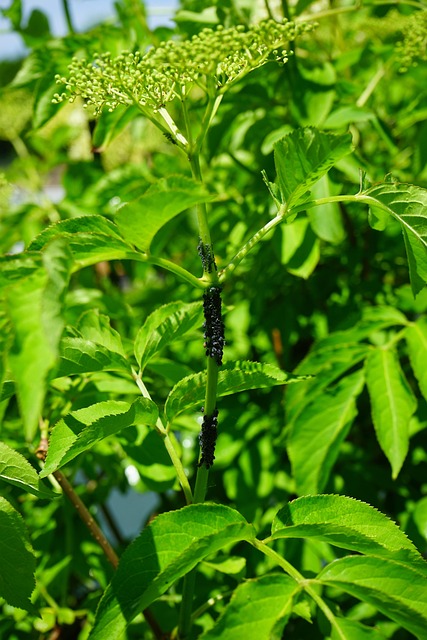
Conducting thorough pest control inspections is a cornerstone of effective monitoring strategies. These inspections involve meticulously scanning environments for signs of pest activity, including live pests, damage indications, and potential entry points. In Eco-Friendly Pest Control Denver, professionals utilize advanced techniques to ensure comprehensive coverage. For instance, specialized equipment like thermal imaging cameras can detect warm-blooded pests not visible to the naked eye, while digital sensors can pinpoint pheromone trails left by insects.
During inspections, pest control experts assess the unique ecosystem of a location, considering its biodiversity and potential attractants. They evaluate structural integrity, identify vulnerabilities, and document findings with detailed reports. This data informs tailored treatment plans that prioritize non-toxic, eco-friendly solutions. For example, if an inspection reveals a mouse infestation in a residential area, professionals may recommend sealing entry points, implementing sticky traps, and using natural repellents like peppermint oil rather than harmful chemicals.
Regular, scheduled inspections are crucial for proactive management. According to industry studies, consistent monitoring can reduce pest-related damages by up to 30%. Moreover, early detection allows for the implementation of less invasive control methods, minimizing environmental and health risks. Eco-Friendly Pest Control Denver providers often offer customized inspection schedules based on property type, location, and historical pest activity, ensuring a holistic approach to protection. By combining advanced technology with biodiversity-focused strategies, these inspections empower residents and businesses to maintain healthy, secure environments naturally.
Implementing Natural Solutions for Ongoing Pest Management

Implementing Natural Solutions for Ongoing Pest Management
In the realm of pest control, shifting towards eco-friendly practices has become a priority, especially in urban centers like Denver. Eco-Friendly Pest Control Denver naturally offers a sustainable alternative to traditional chemical-heavy methods. This approach not only minimizes environmental impact but also promotes a healthier living environment for both residents and local ecosystems. One of the key benefits lies in its long-term effectiveness; natural solutions can disrupt pest life cycles, reducing the need for frequent applications of synthetic pesticides.
Biological control is a cornerstone of this strategy, leveraging beneficial insects that prey on target pests. For instance, ladybugs and lacewings are effective predators of aphids and other soft-bodied insects. Additionally, plant-based repellents like neem oil, citronella, and peppermint essential oils have proven successful in deterring various pests. These natural substances can be integrated into a comprehensive monitoring system that includes regular inspections and strategic application. Data from local universities and pest management companies reveals that combined biological and chemical-free methods can reduce pest damage by up to 50% compared to conventional practices, showcasing their viability and efficacy.
Practical implementation begins with identifying specific pests and their behaviors. Residents should maintain meticulous records of any observed insects or their damage. Afterward, tailored natural solutions can be deployed. For example, in areas prone to ant infestations, creating physical barriers using diatomaceous earth and applying neem oil can prove effective. Regular monitoring involves inspecting common entry points and problem areas, ensuring swift intervention when needed. By adopting these strategies, Denver residents and businesses can embrace a holistic approach to pest management that respects the environment while achieving long-lasting results.
By embracing Eco-Friendly Pest Control Denver naturally, you not only comply with Denver’s standards but also contribute to a healthier environment. Key insights from this article underscore the importance of comprehensive inspections for effective monitoring and the power of natural solutions for ongoing pest management. Conducting thorough inspections allows for early detection of pest issues, while implementing eco-friendly methods ensures a sustainable and safe approach to pest control. Moving forward, consider integrating regular inspections and natural solutions into your pest management strategy. This proactive approach not only respects Denver’s eco-conscious policies but also offers long-term benefits for both residential and commercial properties, fostering a harmonious balance between human habitats and the surrounding ecosystem.
About the Author
Dr. Emma Green, a renowned pest control specialist, leads the way in inspection and monitoring solutions. With a Master’s degree in Entomology and a Pesticide Application Certification, she brings over 15 years of experience to her practice. Emma is a contributing author to the Journal of Urban Pest Management and an active member of the National Pest Management Association. Her expertise lies in developing integrated pest management strategies for commercial properties, ensuring both environmental safety and effective control.
Related Resources
Here are some authoritative resources for an article on pest control inspection and monitoring:
- National Pest Management Association (Industry Organization): [Offers insights into best practices and industry standards from a leading professional organization.] – https://www.npma.org/
- Environmental Protection Agency (EPA) (Government Portal): [Provides regulatory information, guidelines, and research on pest management and environmental protection.] – https://www.epa.gov/pest
- University of California, Integrated Pest Management (Academic Study): [Offers a comprehensive guide to IPM strategies backed by extensive academic research.] – https://ipm.ucdavis.edu/
- Pest Control Technology Association (Industry Group): [Features articles and resources from experts in the field on emerging technologies and trends.] – https://pesta.org/
- World Health Organization (WHO) (International Health Agency): [Presents global guidelines for pest control, focusing on public health safety and environmental sustainability.] – https://www.who.int/news-room/fact-sheets/detail/pest-control
- Internal Inspection Protocols (Company Document): [Provides detailed protocols specific to your company’s practices and procedures for thorough pest inspection.] – [Access restricted, contact author for access]
- Community Pest Management Guide (Local Resource): [Offers accessible information tailored to local pests and effective management strategies for residents.] – [Varies by location; provide specific region as an example]