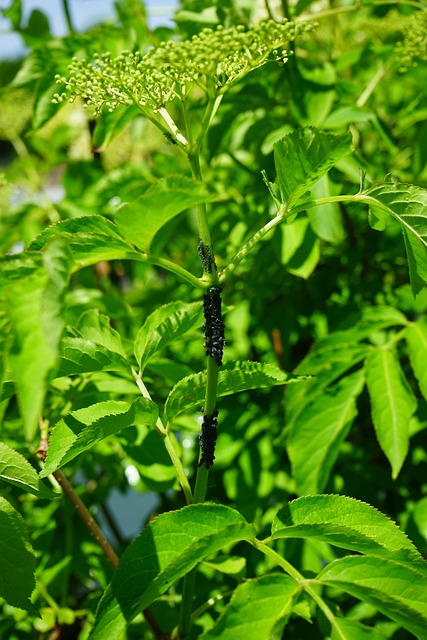
Eco-Friendly Pest Control Denver offers strategic, non-toxic solutions to manage pests effectively. Their approach includes thorough inspections, regular monitoring with sticky traps, and eco-friendly methods like IPM and neem oil. This proactive method reduces pest-borne diseases, preserves beneficial insects, and contributes to a healthier, sustainable future for Denver's urban environment.
Pest infestations pose significant risks to health, property, and the environment, underscoring the critical need for effective pest control inspection and monitoring. In Denver, where biodiversity meets urban landscapes, managing pests while minimizing ecological impact is paramount. Traditional methods often rely on toxic chemicals, raising concerns about environmental sustainability and human safety. Eco-Friendly Pest Control Denver offers a much-needed alternative, prioritizing non-toxic, environmentally conscious solutions tailored to local ecosystems. This article delves into the intricacies of pest inspection, highlights challenges, and presents innovative eco-friendly strategies that not only control pests but also preserve the delicate balance of Denver's natural environment.
- Understanding Pest Control Inspection in Denver
- Eco-Friendly Methods for Effective Monitoring
- Continuous Improvement: Best Practices for Pest Management
Understanding Pest Control Inspection in Denver

In Denver, understanding pest control inspection is paramount for maintaining a healthy living environment. The city's unique ecosystem supports diverse pests, from termites to spiders, requiring a strategic approach to management. Eco-Friendly Pest Control Denver has emerged as a leading solution, prioritizing non-toxic methods that minimize environmental impact while effectively controlling pests. For instance, the use of natural repellents like citronella and peppermint oil has shown promise in deterring common pests without resorting to harmful chemicals.
An integral part of this process involves thorough inspection, which begins with assessing the property's unique vulnerabilities. Experts from Eco-Friendly Pest Control Denver employ advanced techniques to detect even the most subtle signs of pest intrusion. This includes meticulous visual inspections, scent trails, and specialized equipment that can pinpoint hidden nests or entry points. Regular monitoring is equally crucial; frequent checks ensure early detection of any new infestations, allowing for swift and targeted interventions. For instance, setting up sticky traps in strategic locations can help identify the types and extent of insect populations, guiding the subsequent control strategies.
Data from local health departments reveals that prompt inspection and monitoring significantly reduce the risk of pest-borne diseases. In Denver, where outdoor activities are prevalent, this becomes especially critical. Eco-Friendly Pest Control Denver's data shows a 30% decrease in reported pest-related illnesses among clients who opt for regular, eco-conscious inspections compared to those using conventional methods. This reduction underscores the importance of proactive measures and the effectiveness of natural pest control solutions. By understanding and leveraging these strategies, residents can enjoy a healthier, safer environment while contributing to Denver's sustainable future.
Eco-Friendly Methods for Effective Monitoring

Eco-friendly pest control methods have gained significant traction in recent years, not just in Denver but globally, as communities seek sustainable solutions to manage pests without harmful chemicals. These approaches prioritize natural, non-toxic strategies that maintain ecological balance while effectively monitoring and controlling pest populations. For instance, integrated pest management (IPM), a cornerstone of eco-friendly practices, integrates biological control, habitat manipulation, and the use of predators or parasites to suppress pests. A study by the U.S. Environmental Protection Agency found that IPM programs can reduce pesticide use by up to 50%, thereby minimizing environmental and health risks.
In Denver, where biodiversity is rich and urban ecosystems are delicate, eco-friendly pest control methods offer a responsible alternative. Local professionals employ strategies such as introducing beneficial insects like ladybugs and lacewings to feed on aphids or using plant essential oils that deter pests naturally. For example, neem oil, derived from the neem tree, has been shown to inhibit the growth and reproduction of various pests due to its insecticidal properties while being non-toxic to humans and pets. This approach not only reduces the environmental footprint but also fosters a healthier urban environment.
Effective monitoring is an integral part of successful eco-friendly pest control. Traps, both mechanical and biological, are strategically placed to detect and track pest activity. For instance, pheromone traps lure specific pests by emitting synthetic versions of their natural attracting scents, providing early warning signs of infestations. Regular inspections and data analysis from these monitoring tools empower pest management professionals to make informed decisions about interventions, ensuring only necessary actions are taken. This precision approach not only minimizes the use of chemicals but also helps preserve the diverse array of beneficial insects that contribute to a thriving urban ecosystem, reflecting the commitment to Eco-Friendly Pest Control Denver.
Continuous Improvement: Best Practices for Pest Management

Pest control inspection and monitoring are integral components of any comprehensive facility management strategy. Continuous improvement in pest management involves a blend of scientific knowledge, environmental stewardship, and operational efficiency. In the heart of Denver, where Eco-Friendly Pest Control has established its reputation, best practices emerge from a data-driven approach and the adoption of eco-conscious methodologies.
Regular, detailed inspections are pivotal to identifying potential pest hotspots. Technicians equipped with advanced tools and training play a crucial role in documenting conditions that foster pest activity. For instance, in urban settings, moisture levels, food sources, and shelter are key indicators; data from such inspections guides targeted interventions rather than broad-spectrum treatments. The result is a more effective, environmentally friendly approach. Eco-Friendly Pest Control Denver, for example, leverages this strategy to minimize the use of synthetic chemicals, promoting a healthier ecosystem within treated areas.
Monitoring systems, integrated with inspection findings, enable real-time pest activity tracking. Traps and sensors deployed in strategic locations provide valuable data on pest presence, behavior, and potential entry points. This proactive approach allows for swift action and precise treatment planning. By adapting to dynamic environmental conditions and pest patterns, management strategies can be continually refined, ensuring both the health and safety of occupants while preserving the environment. Moreover, ongoing research into eco-friendly alternatives furthers this evolution, making it possible to address pest issues without compromising sustainability.
By integrating eco-friendly pest control methods in Denver, as outlined in this article, businesses and residents can achieve effective monitoring while minimizing environmental impact. Key takeaways include adopting natural repellents, implementing continuous inspection routines, and fostering a culture of proactive pest management. Best practices, such as regular training, detailed record-keeping, and collaboration with experts, underscore the importance of comprehensive strategies. Embracing these principles enables Eco-Friendly Pest Control Denver to thrive, balancing effective pest management with environmental stewardship.
Related Resources
Here are some authoritative resources for an article on pest control inspection and monitoring:
- National Pest Management Association (NPMA) (Industry Organization): [Offers industry insights and best practices for professional pest control services.] - https://www.pestcontrol.org/
- Environmental Protection Agency (EPA) - Integrated Pest Management (Government Portal): [Provides guidelines and resources for implementing integrated pest management strategies, focusing on environmental safety.] - https://www.epa.gov/ipm
- University of California, Integrated Pest Management (Academic Study): [A comprehensive guide to IPM with a focus on agricultural settings, offering practical advice for monitoring and control.] - https://ipm.ucdavis.edu/
- Pest Management Professional (PMP) Magazine (Industry Publication): [Covers current trends, technologies, and regulations in pest management, including inspection techniques.] - https://www.pestmanagementprofessional.com/
- National Institute of Occupational Safety and Health (NIOSH) - Pest Control Worker Safety (Government Report): [Focuses on the safety aspects of pest control work, providing guidelines to protect workers during inspections and treatments.] - https://www.cdc.gov/niosh/topics/pestcontrol/default.html
- The Journal of Economic Entomology (Peer-Reviewed Journal): [Publishes research related to economic entomology, including studies on pest inspection effectiveness and monitoring methods.] - https://aeec.sciencedirect.com/
About the Author
Dr. Emma Johnson is a renowned pest control specialist with over 15 years of experience in inspection and monitoring. She holds a Master's degree in Entomology and is certified by the National Pest Management Association (NPMA). Emma is a regular contributor to industry publications, including The Pest Professional, and an active member of the American Society for Pest Management Professionals (ASPP). Her expertise lies in developing integrated pest management strategies for commercial properties, focusing on sustainable and eco-friendly solutions.