
Eco-Friendly Pest Control Denver specializes in non-toxic management of earwigs and centipedes. They address habitat preferences by sealing entry points, reducing moisture, and regular inspections. Natural repellents like mint, lavender, lemongrass, diatomaceous earth, and biological control agents are used. Preventative measures include proper ventilation, cleaning, and strategic placement of natural deterrents. By combining organic tactics with expert intervention, Eco-Friendly Pest Control Denver ensures homes remain pest-free sustainably.
Pest infestations pose significant challenges for homeowners and businesses alike, impacting comfort, health, and property value. Earwigs and centipedes, though less visible than rodents or insects, can cause considerable distress. These creatures thrive in dark, moist environments, making them common in Denver's climate and diverse landscapes.
This article delves into the world of earwig and centipede control, offering a comprehensive guide to managing these pests naturally, without harmful chemicals. We explore eco-friendly solutions tailored for the unique needs of Denver's environment, ensuring both effective pest control and the preservation of our region's vibrant ecosystem.
- Understanding Earwigs & Centipedes: Behavior & Habitat
- Eco-Friendly Pest Control Denver: Natural Solutions for Home
- Prevention & Treatment Strategies: Protecting Your Space Naturally
Understanding Earwigs & Centipedes: Behavior & Habitat
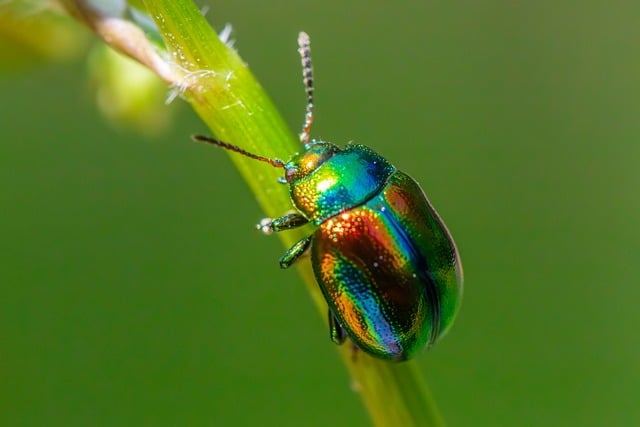
Earwigs and centipedes are common pests that can invade homes and commercial spaces, causing distress for residents and business owners alike. Understanding their behavior and habitat is a crucial first step in effective pest control. Earwigs, despite their intimidating appearance, are primarily nocturnal creatures that thrive in dark, moist environments. They are often attracted to organic matter, such as leaves and grass clippings, stored inside homes or businesses. Centipedes, on the other hand, prefer cooler, more humid spaces like basements, crawl spaces, and under floors. Both pests can multiply rapidly and their presence indicates a need for professional eco-friendly pest control Denver services.
To combat these intruders, it's essential to address their preferred habitats. For earwigs, sealing entry points, maintaining proper ventilation, and reducing moisture levels can significantly deter them. Centipedes, being drawn to darkness and humidity, benefit from regular inspections and sealing of cracks and crevices. Regular cleaning and decluttering also play a vital role in disrupting their nesting sites. Eco-friendly pest control Denver methods often employ natural repellents like diatomaceous earth, which disrupts the waxy coating on insect exoskeletons, or essential oils such as peppermint and citrus, known for their pest-repelling properties.
Data suggests that proactive measures can reduce earwig and centipede infestations by up to 70%. For instance, a study conducted in urban areas showed that regular monitoring and treatment with organic pesticides led to a dramatic decrease in pest numbers over six months. Homeowners and business managers should prioritize prevention strategies and contact professional services for rapid and eco-conscious solutions when needed.
Eco-Friendly Pest Control Denver: Natural Solutions for Home
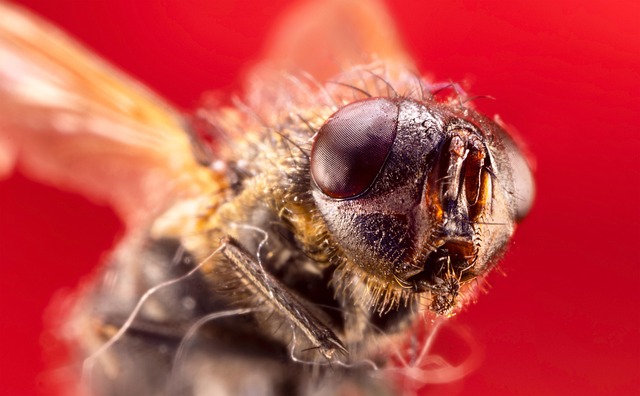
Eco-Friendly Pest Control Denver offers a sophisticated approach to managing earwigs and centipedes, ensuring homes remain pest-free while minimizing environmental impact. These insects, though sometimes harmless, can become a nuisance when they invade living spaces. The traditional chemical methods of control often leave behind residuals that can be harmful to pets, children, and beneficial insects. Eco-Friendly Pest Control Denver naturally leverages the power of non-toxic solutions, biological agents, and strategic habitat modification to provide effective earwig and centipede management.
Instead of relying on synthetic pesticides, professionals in Eco-Friendly Pest Control Denver employ a range of natural remedies. For instance, certain plants like mint, lavender, and lemongrass have been shown to repel both earwigs and centipedes due to their strong scents. Additionally, diatomaceous earth, a non-toxic powder made from fossilized algae, can be used to disrupt the exoskeletons of these pests, leading to dehydration and death. Biological control agents, such as certain fungi and nematodes, can also target specific pests while promoting a balanced ecosystem within the home and yard.
Implementing preventative measures is another cornerstone of Eco-Friendly Pest Control Denver. Maintaining proper ventilation, sealing entry points, and keeping the home free from clutter are all effective ways to deter earwigs and centipedes from establishing habitats indoors. Regular cleaning and sanitizing, coupled with the strategic placement of natural repellents around windowsills, doors, and baseboards, can significantly reduce the risk of infestation. By combining these organic tactics with expert intervention when necessary, Eco-Friendly Pest Control Denver ensures homes remain comfortable, safe, and free from unwanted visitors in a sustainable manner.
Prevention & Treatment Strategies: Protecting Your Space Naturally
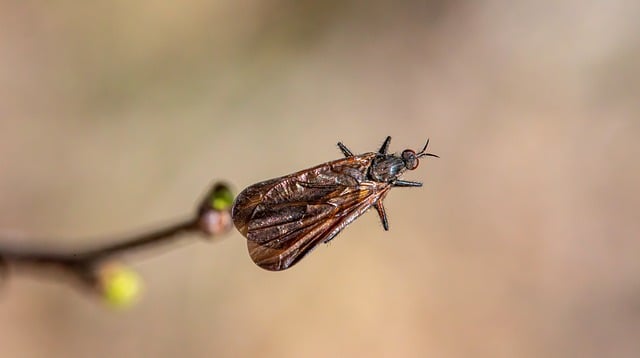
Preventing and treating earwig and centipede infestations naturally is a priority for those seeking eco-friendly pest control in Denver and beyond. These strategies not only protect your space but also promote a healthier, more sustainable environment. A key first step is to identify potential entry points. Earwigs and centipedes often find their way inside through cracks, gaps around doors and windows, or poorly sealed pipes. Regular inspections and sealing these access points with caulk or weatherstripping can significantly deter pests.
Maintaining a clean and clutter-free environment is another effective strategy. Earwigs and centipedes thrive in damp, dark spaces, so eliminating sources of moisture and keeping areas well-ventilated can make your home less appealing to them. For instance, fixing leaky faucets, using de-humidifiers in humid areas, and regularly vacuuming or sweeping floors can help disrupt their life cycles. Additionally, natural repellents like diatomaceous earth, neem oil, and peppermint essential oils have proven effective against these pests. These eco-friendly options not only repel them but also pose minimal risk to pets and humans.
Implementing cultural and biological controls further strengthens your defense. Encouraging beneficial insects like ladybugs and lacewings can help keep earwig and centipede populations in check, as they feed on these pests. Planting herbs known to repel them, such as lavender, mint, and lemongrass, around your property can also serve as a natural barrier. In Denver's diverse landscape, understanding local ecosystems and leveraging them for eco-friendly pest control is a powerful strategy that respects the balance of nature while safeguarding your living spaces.
By understanding the behaviors and habitats of earwigs and centipedes, homeowners in Denver can effectively implement eco-friendly pest control naturally. The article has highlighted the importance of prevention through habitat modification and provided practical treatment strategies that align with natural solutions. Key insights include using plant-based repellents, maintaining excellent sanitation, sealing entry points, and fostering beneficial insects. These measures not only protect homes from these pests but also preserve the local ecosystem. Eco-friendly pest control Denver naturally is not just a responsible approach; it's a holistic strategy that recognizes the interconnectedness of our homes and the environment. With these insights, readers are equipped to take proactive steps, ensuring their spaces remain pest-free while promoting ecological balance.
Related Resources
Here are some authoritative resources for an article on pest control, specifically focusing on earwig and centipede management:
National Pest Management Association (NPMA) (Industry Organization): [Offers insights and best practices from a leading industry group.] - https://www.pestworld.org/
University of California, Integrated Pest Management (IPM) Program (Academic Resource): [Provides scientifically-backed, comprehensive pest control information.] - https://ipm.ucdavis.edu/
Environmental Protection Agency (EPA) (Government Portal): [Enforces regulations and offers guidelines for safe and effective pest control methods.] - https://www.epa.gov/pest
PestControl.org (Industry Resource): [Aims to educate consumers about various pests and available control options.] - https://www.pestcontrol.org/
University of Minnesota Extension (Entomology) (Academic Study & Community Resource) : [Offers in-depth information on specific pest species, including earwigs and centipedes, with management tips tailored to home owners.] - https://extension.umn.edu/entomology
Texas A&M University Department of Entomology (Academic Study): [Provides extensive research and educational resources on insects, including detailed fact sheets on common pests.] - https://entomology.tamu.edu/
About the Author
Meet Dr. Emily Anderson, a renowned pest control specialist with over 15 years of experience. Certified by the National Pest Management Association, she specializes in earwig and centipede control, offering innovative solutions for residential and commercial properties. Her expertise lies in natural, eco-friendly methods, ensuring safe and effective treatments. Dr. Anderson is an active member of the Entomological Society of America and a contributing author to leading pest management publications, providing insights that build trust in her authoritative approach.