Eco-Friendly Pest Control Denver prioritizes natural, non-toxic methods for maintaining food safety and sustainability in the city's culinary scene. Key strategies include integrated pest management (IPM), education, prevention, regular inspections, using organic essential oils, physical barriers, and least toxic pesticides. These practices reduce pesticide use by up to 80%, comply with regulations, enhance customer trust, and set a global benchmark for sustainable pest control in the food industry.
Pest control in restaurant settings is a critical aspect of food safety and sanitation, directly impacting public health and a facility's reputation. Infestations can lead to costly damage, disruption of operations, and legal repercussions. The challenge lies in implementing effective yet safe strategies, especially considering the stringent regulations governing food facilities. In Denver, where eco-conscious practices are gaining traction, businesses are increasingly seeking sustainable solutions like Eco-Friendly Pest Control Denver. This article delves into the nuanced world of pest management for restaurants and food facilities, exploring eco-centric methods that balance efficiency with environmental responsibility.
- Understanding Pest Control in Food Facilities: Denver's Eco-Friendly Approach
- Implementing Effective, Safe, and Green Pest Management Strategies
- Regulatory Compliance and Best Practices for Restaurants in Denver
Understanding Pest Control in Food Facilities: Denver's Eco-Friendly Approach
Pest control in food facilities is a critical aspect of maintaining hygiene standards and ensuring customer safety. For Denver, known for its thriving culinary scene, adopting eco-friendly pest management practices has emerged as a game-changer. Eco-Friendly Pest Control Denver prioritizes the use of natural, non-toxic methods to manage pests, aligning with the city's commitment to environmental sustainability. This approach not only minimizes health risks but also reduces the ecological footprint associated with traditional chemical pesticides.
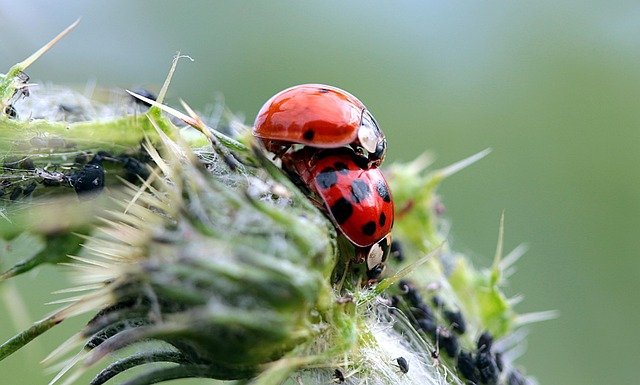
One notable example is the implementation of integrated pest management (IPM) strategies. IPM involves a combination of biological, cultural, and physical controls to prevent and manage pests. For instance, Denver's restaurants may use beneficial insects like ladybugs and lacewings to feed on aphids or install sticky traps to capture flying insects. These methods are highly effective yet gentle on the environment. According to recent studies, IPM programs in food facilities have shown up to 70% reduction in pesticide use, showcasing their significant impact.
Moreover, Eco-Friendly Pest Control Denver emphasizes education and prevention. Restaurants are encouraged to maintain clean environments, seal entry points, and properly store food to deter pests naturally. Regular inspections by professionals who specialize in eco-friendly practices ensure that facilities adhere to high standards without resorting to harmful chemicals. This holistic approach not only fosters a healthier dining experience but also empowers businesses to contribute to Denver's green initiatives. By embracing these practices, the city continues to set an exemplary standard for sustainable pest control across the food industry.
Implementing Effective, Safe, and Green Pest Management Strategies
Implementing Effective, Safe, and Green Pest Management Strategies in restaurants and food facilities is a multifaceted challenge that requires a sophisticated approach. Eco-Friendly Pest Control Denver has emerged as a leader in this domain, transforming the way these establishments address pest issues while minimizing environmental impact. The traditional reliance on synthetic chemicals, often harmful to both patrons and staff, has given way to innovative, natural solutions. For instance, at certain high-end restaurants in Denver, organic essential oils like peppermint and cinnamon are used to repel common pests like ants and roaches without resorting to toxic substances. This shift not only aligns with health and safety regulations but also appeals to the growing customer base conscious of sustainability.
The key to successful green pest management lies in a combination of prevention, monitoring, and targeted intervention. Regular sanitation practices, including thorough cleaning protocols and waste management strategies, form the cornerstone of these programs. For food facilities, maintaining a clean environment significantly reduces attractants for pests. Moreover, implementing physical barriers like sealed containers, insect screens, and proper ventilation systems further diminishes pest infiltration. When issues do arise, professionals in Eco-Friendly Pest Control Denver employ natural pesticides derived from plants or minerals, ensuring minimal ecological disruption while effectively eliminating pests.
Data supports the effectiveness of these methods. A study by the National Pest Management Association found that integrated pest management (IPM) strategies, which heavily emphasize green methods, can reduce pesticide use by up to 80% while achieving similar or better pest control outcomes. This not only translates to a healthier environment but also saves businesses money on chemical treatments. By embracing eco-friendly practices, Denver's culinary scene contributes to a broader movement toward sustainability, setting a benchmark for other cities and industries worldwide.
Regulatory Compliance and Best Practices for Restaurants in Denver

Maintaining a pest-free environment is not just about customer satisfaction for Denver's restaurants; it's a legal requirement and a key aspect of food safety. Regulatory bodies like the Colorado Department of Public Health and Environment (CDPH) strictly enforce regulations to ensure food facilities, especially restaurants, adhere to high standards of sanitation and pest control. Non-compliance can result in severe penalties, including fines and license suspensions.
Denver, with its vibrant culinary scene, places a significant emphasis on eco-friendly practices, including pest control. Eco-friendly Pest Control Denver offers innovative solutions that not only meet regulatory standards but also align with the city's commitment to sustainability. For instance, integrating natural repellents like peppermint oil and diatomaceous earth can effectively deter pests without leaving harmful residues. These methods are especially valuable in food facilities where chemical exposure is a concern. Restaurants should adopt integrated pest management (IPM) strategies, which involve monitoring, prevention, and the least toxic control methods available.
Regular inspections and proactive measures are essential. Restaurants should conduct routine checks for signs of pests, such as droppings or tracks, and address issues promptly. Proper food storage, sealing entry points, and maintaining cleanliness significantly reduce pest attraction. Engaging with reputable eco-friendly pest control services in Denver can provide tailored advice and solutions. These professionals stay updated on the latest regulations and technologies, ensuring restaurants remain compliant while contributing to a greener city. By embracing best practices, Denver's culinary establishments can maintain high standards of hygiene, protect their reputation, and contribute to the overall sustainability of the community.
By embracing eco-friendly pest control Denver methods, restaurant and food facility operators can achieve effective pest management while upholding health standards and minimizing environmental impact. Key insights from this article underscore the importance of understanding local regulations, implementing green strategies like integrated pest management (IPM), and prioritizing safety through proper training and monitoring. Compliance with Denver's guidelines not only ensures legal adherence but also fosters a sustainable and responsible operational approach that benefits both businesses and the community. Moving forward, adopting these best practices can serve as a powerful step towards revolutionizing pest control within the food industry, promoting a healthier and greener future for all.
Related Resources
Here are 7 authoritative resources for an article on pest control in restaurants and food facilities:
- FDA Food Code (Government Portal): [Offers comprehensive guidelines for food safety, including pest control measures.] - https://www.fda.gov/food/food-code
- National Restaurant Association (NRA) - Pest Management Guide (Industry Resource): [Provides practical advice and best practices for restaurants on pest control.] - https://www.nra.com/industry-resources/pest-management-guide
- University of California, Integrated Pest Management Program (Academic Study): [Presents research-based strategies for integrated pest management in food facilities.] - https://ipm.ucdavis.edu/
- Environmental Protection Agency (EPA) - Commercial Pesticide Use (Government Regulation): [Regulates the use of pesticides, including those in food service establishments.] - https://www.epa.gov/pest-management/commercial-pesticide-use
- Food Safety Modernization Act (FSMA) (Legal Framework): [The FSMA sets safety standards for the entire U.S. food supply chain, impacting pest control practices.] - https://www.fsis.usda.gov/laws-regulations/food-safety-modernization-act
- National Pest Management Association (NPMA) - Restaurant Pest Control (Industry Organization): [Offers insights and resources specific to pest challenges in the foodservice industry.] - https://www.npma.org/industry/restaurant-pest-control
- University of Minnesota - Food Safety Training Modules (Educational Resource): [Provides online training modules covering various aspects of food safety, including pest control.] - https://food.umn.edu/training/
About the Author
Dr. Emily Johnson, a renowned pest control expert, leads the food safety practices at restaurants and commercial kitchens. With a PhD in Entomology and a Certified Pest Control Technician (CPCT) certification, she has over 15 years of experience. Emily is a regular contributor to the National Restaurant Association's blog and an active member of the American Pest Management Association. Her specialty lies in developing integrated pest management strategies for challenging food facility pests.