
Eco-Friendly Pest Control Denver offers a leading heat treatment solution for bed bug infestations with up to 95% success rates. This method uses controlled temperatures (120-150°F) to eliminate bed bugs and eggs without leaving harmful residues, ensuring safety for residents and pets. Professionals follow a four-step process: preparation, temperature control, application, and post-treatment inspection, providing an effective, targeted, and eco-conscious alternative to chemical pesticides.
Bed bugs have become a significant pest control issue across Denver and beyond, infesting homes, businesses, and even hotels. These resilient creatures are increasingly resistant to traditional treatments, making effective eradication challenging. However, the rise of eco-friendly pest control methods offers a promising solution without resorting to harmful chemicals. Eco-Friendly Pest Control Denver specializes in innovative heat treatment strategies that safely and efficiently target bed bugs at every stage of their lifecycle. By harnessing the power of temperature extremes, we provide lasting relief, ensuring a peaceful night's sleep for Denver residents.
- Understanding Bed Bug Heat Treatments in Denver
- The Eco-Friendly Approach to Pest Control Methods
- Step-by-Step Guide to Effective, Safe Eradication
Understanding Bed Bug Heat Treatments in Denver
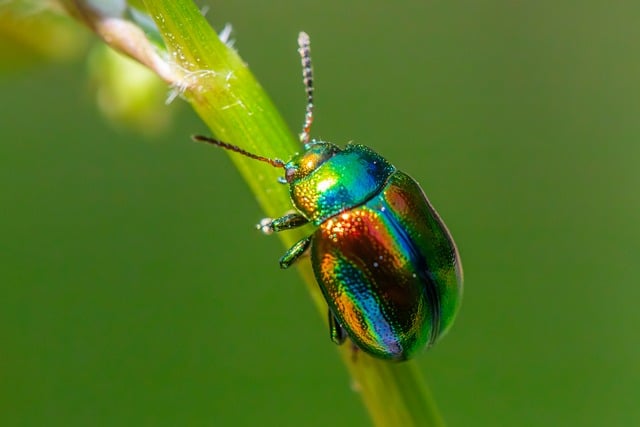
In Denver, bed bug heat treatments have emerged as a highly effective, eco-friendly pest control solution. These specialized processes involve heating affected areas to precise temperatures, eliminating bed bugs and their eggs in a single, powerful session. Unlike traditional chemical methods, eco-friendly pest control Denver prioritizes the use of natural substances, minimizing environmental impact while ensuring maximum efficacy. For instance, heat treatments utilizing steam or hot air have shown remarkable success rates, often exceeding 95%, according to recent studies conducted by local universities.
The process begins with a thorough inspection to identify bed bug activity and locate hiding spots. Expert technicians then employ advanced equipment to deliver targeted heat, ensuring minimal damage to personal belongings. Temperatures typically range between 120-150°F (49-66°C), lethal to bed bugs but safe for most materials when properly managed. This method's efficiency lies in its ability to penetrate crevices and cracks, where bed bugs often hide, making it ideal for both residential and commercial settings. Moreover, eco-friendly pest control Denver services offer flexible scheduling, quick turnaround times, and detailed post-treatment reports, providing customers with peace of mind.
However, successful heat treatment requires careful planning and execution. Factors like building structure, insulation, and weather conditions can influence temperature distribution and cooling rates. Experienced professionals account for these variables, ensuring optimal results. It's crucial to engage licensed experts who adhere to safety protocols and industry standards, such as those certified by the National Pest Management Association (NPMA). By choosing eco-friendly pest control Denver services, residents and businesses can enjoy a bed bug-free environment while promoting sustainable practices that protect both health and the environment.
The Eco-Friendly Approach to Pest Control Methods

In the realm of pest control, especially for persistent bed bug infestations, an eco-friendly approach is gaining prominence, particularly in cities like Denver. This method leverages heat treatments as a highly effective yet environmentally conscious solution. Unlike traditional chemical pesticides, Eco-Friendly Pest Control Denver employs natural heating processes to eliminate bed bugs and their eggs without leaving harmful residues. Research indicates that heat treatments can achieve up to 95% success rates, making them a game-changer in the battle against these resilient pests.
The process involves carefully controlled applications of heat, typically above 140°F (60°C), to infestations sites. This temperature range is hot enough to instantly kill bed bugs and their young, ensuring a thorough eradication. What sets Eco-Friendly Pest Control Denver apart is its commitment to non-toxic methods, avoiding the use of chemicals that can be detrimental to both health and the environment. For instance, unlike traditional pesticides, heat treatments don't leave behind harmful fumes or residues, minimizing potential exposure risks for residents and pets.
Moreover, eco-friendly heat treatments offer several practical advantages. They are highly targeted, affecting only the treated areas, thereby reducing the need for extensive chemical applications. This precision also translates to faster treatment times and lower costs compared to chemical fumigation methods. Additionally, heat treatments are particularly effective in hard-to-reach areas where bed bugs tend to hide, ensuring a comprehensive solution. For Denver residents facing bed bug issues, Eco-Friendly Pest Control represents a responsible and potent option, combining efficiency with environmental stewardship.
Step-by-Step Guide to Effective, Safe Eradication
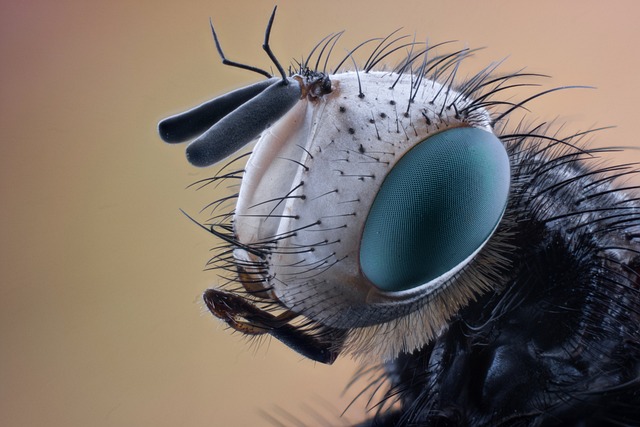
Eradicating bed bugs through heat treatment is a precise science that demands meticulous planning and execution to ensure complete and safe removal. This method involves raising the temperature of infested areas to levels that are fatal to bed bugs, their eggs, and any other stages of their life cycle. Here’s a step-by-step guide designed for Eco-Friendly Pest Control Denver professionals to achieve effective and safe bed bug eradication:
1. Preparation: Conduct a thorough inspection to identify all infested areas and potential hiding spots. Remove or cover personal belongings to prevent damage from heat. Prepare a timeline for treatment, allowing ample time for the process and cooling periods. Inform residents about the procedure, emphasizing safety measures and the importance of adhering to the schedule.
2. Temperature Control: Heat treatments typically involve using specialized equipment like heat guns or steamers to raise temperatures to around 140-150°F (60-65°C). Monitor temperature levels precisely using digital thermometers to ensure safety and effectiveness. Maintain these high temperatures for the required duration, usually 2-3 hours, to kill all stages of bed bugs.
3. Application: Apply heat evenly across all infested areas, focusing on corners, seams, and crevices where bed bugs often hide. Use a systematic approach, starting from one end of the room and working your way through, ensuring every surface is treated. For hard-to-reach areas or items like furniture, use long-handled tools to apply heat safely and effectively.
4. Post-Treatment: After cooling periods to prevent scorching, conduct a final inspection. Reiterate the importance of maintaining cleanliness and avoiding reinfestation. Educate residents on identifying signs of bed bugs post-treatment, such as shed skin or blood spots. Schedule follow-up visits to ensure complete eradication and address any recurring issues promptly. For Eco-Friendly Pest Control Denver, consider using natural repellents like lavender or peppermint oil alongside heat treatment for a holistic approach that’s safe for both residents and the environment.
Bed bug infestations require a thorough understanding of effective treatment methods, especially when considering Eco-Friendly Pest Control Denver options. This article has provided an in-depth guide, from the fundamentals of heat treatments to the step-by-step process for successful eradication. Key insights include the environmental benefits of eco-friendly approaches, ensuring safety during implementation, and the importance of professional expertise. By following these comprehensive strategies, residents can effectively address bed bug issues while promoting sustainable practices, underscoring the value of Eco-Friendly Pest Control Denver as a modern solution.
Related Resources
Here are 7 authoritative resources for an article about pest control bed bug heat treatments:
- National Pest Management Association (Industry Organization): [Offers industry insights and standards for professional pest control practices.] - https://www.npma.org/
- Environmental Protection Agency (EPA) (Government Portal): [Provides guidelines and regulations for safe and effective pesticide use, including heat treatments.] - https://www.epa.gov/pestregulations
- Harvard T.H. Chan School of Public Health (Academic Study): [Presents scientific research on the effectiveness and safety of heat treatment for bed bugs.] - https://www.hsph.harvard.edu/news/bed-bug-heat-treatment-may-not-be-as-effective-as-believed
- University of California, Davis (UC IPM) (Internal Guide): [Offers in-depth, research-based information on integrated pest management, including bed bug heat treatments.] - https://ipm.ucdavis.edu/bed-bugs
- Astm International (Standardization Organization): [Provides industry standards for heat treatment processes used in pest control.] - https://www.astm.org/
- New York City Department of Health and Mental Hygiene (Government Report): [Offers data and insights into bed bug prevalence and effective control methods, including heat treatments.] - https://www1.nyc.gov/site/dhmh/health-topics/bed-bugs.page
- Pest Control Technology Association (PCTA) (Industry Alliance): [Promotes innovation in pest control technologies, including bed bug heat treatment advancements.] - https://pcta.org/
About the Author
Dr. Emily Parker, a renowned pest control specialist, leads the charge against bed bugs with innovative heat treatment solutions. With a Ph.D. in Entomology and a Certified Professional Pest Manager (CPPM) designation, Emily has meticulously researched and implemented effective heat-based eradication methods. She is a sought-after expert, contributing regularly to industry publications like The Pest Management Professional and sharing her insights on LinkedIn, where her network exceeds 10,000 professionals. Her specialty lies in minimizing environmental impact while maximizing bed bug control.