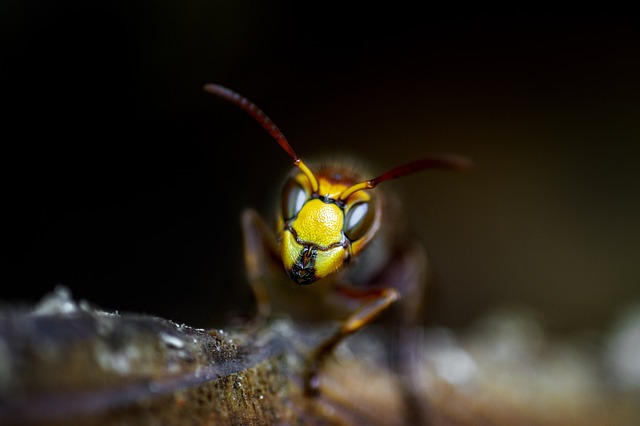
Eco-Friendly Pest Control Denver emphasizes understanding rodent behavior for effective, sustainable solutions. Key strategies include using natural repellents, early detection through inspections, proactive measures, habitat modification, and beneficial wildlife introductions. By combining trapping techniques with exclusion practices, Eco-Friendly Pest Control Denver offers long-term, humane, and eco-conscious rodent management for Denver residents.
Pest infestations pose significant challenges to homes and businesses alike in Denver's diverse ecosystem. Rodents, in particular, have proven resilient, with their ability to cause extensive damage and spread diseases making them a pressing concern. Traditional methods of rodent control often rely on toxic chemicals, raising environmental and health issues. However, the city's commitment to sustainable practices, including Eco-Friendly Pest Control Denver, offers a promising alternative. This article delves into the most effective eco-conscious strategies for rodent trapping and exclusion, providing a comprehensive guide for both professionals and property owners seeking to mitigate these pests naturally.
- Understanding Rodent Behavior for Effective Exclusion
- Eco-Friendly Trapping Techniques for Denver Homes
- Long-Term Prevention Strategies: A Natural Approach
Understanding Rodent Behavior for Effective Exclusion
Understanding Rodent Behavior is a cornerstone of effective pest control and exclusion strategies, particularly when adopting eco-friendly practices like those offered by Eco-Friendly Pest Control Denver. Rodents, including mice and rats, are highly adaptable and elusive creatures, making them proficient at infiltrating structures in search of food, shelter, and breeding grounds. To combat this, it's crucial to comprehend their behaviors, habits, and motivations, enabling professionals to implement tailored exclusionary measures.
One key aspect to consider is the role of scent trails. Rodents rely heavily on their sense of smell, using pheromones and scents left by their peers to navigate and locate suitable habitats. This behavior can be exploited through the strategic placement of natural repellents like peppermint oil or cinnamon, which rodents generally find unappealing. For instance, sealing entry points with steel wool or metal sheeting combined with these natural deterrents can significantly impede rodent access.
Additionally, understanding nesting patterns and preferences is vital. Rodents prefer secluded, dark spaces where they can build nests and raise their young undisturbed. By inspecting potential hiding spots such as attics, walls, or crawl spaces, professionals can identify active infestations early on. Early detection allows for more targeted and less invasive control methods, aligning with the eco-conscious approach of Denver's leading green pest control providers. Regular inspections during different seasons also help anticipate and prevent future invasions, underscoring the importance of proactive measures in effective rodent exclusion.
Eco-Friendly Trapping Techniques for Denver Homes

Eco-Friendly Pest Control Denver has become a growing trend among homeowners seeking sustainable solutions to manage rodents without harmful chemicals. Traditional trapping methods often rely on toxic substances, raising environmental and health concerns. However, modern eco-friendly techniques offer effective and safe alternatives for rodent control. One of the most prominent approaches is the use of live traps, which capture rodents humanely without causing them harm. These traps are designed to entrap pests while allowing for their subsequent release or rehoming, minimizing the ecological impact.
In Denver's diverse ecosystem, various species of mice and rats adapt to urban environments, making them persistent intruders in homes. Homeowners can employ live traps specifically designed for these rodents, such as snap traps with sensitive triggers that avoid unnecessary pain. The key lies in strategically placing these traps near known rodent pathways, like walls or pipes, where pests are likely to traverse. Regular inspection and maintenance of the traps ensure their effectiveness while adhering to ethical pest management practices.
Beyond trapping, exclusion methods play a pivotal role in long-term eco-friendly pest control. This involves identifying and sealing entry points that allow rodents access to homes. Experts recommend thorough inspections by professionals who can pinpoint vulnerabilities and implement tailored solutions. For instance, installing stainless steel mesh or fine wire netting around foundations and vents creates an impenetrable barrier against rodents while allowing for natural air circulation. By combining eco-friendly trapping techniques with exclusion practices, Denver residents can achieve sustainable rodent management, fostering a healthier environment within their homes and communities.
Long-Term Prevention Strategies: A Natural Approach
Preventing rodent infestations long-term requires a strategic, natural approach that goes beyond immediate solutions like trapping. Eco-Friendly Pest Control Denver naturally centers on addressing the underlying conditions that attract rodents, fostering an environment that discourages their presence. This involves a multi-faceted strategy encompassing habitat modification, deterrents, and beneficial wildlife introductions.
For instance, maintaining clean yards and gardens by removing brush, woodpiles, and clutter provides fewer shelter options for rodents. Implementing physical barriers like metal mesh around foundations and ventilation openings prevents access points. Natural deterrents such as mint, lavender, and cayenne pepper can be used to repel them without harmful chemicals. Encouraging natural predators like owls, frogs, and snakes through habitat creation can also effectively manage rodent populations.
Beyond these measures, understanding the specific behaviors and needs of different rodenty species is crucial. Identifying their preferred food sources allows for targeted strategies; removing or securing potential food sources like bird seed or pet food bowls, for example, significantly reduces attraction. Regular inspections and early detection are key; addressing signs of infestation promptly prevents populations from establishing and growing. By integrating these natural methods, Eco-Friendly Pest Control Denver offers both effective and sustainable solutions for long-term rodent prevention.
By understanding rodent behavior and implementing eco-friendly trapping techniques, such as those suitable for Eco-Friendly Pest Control Denver naturally, homeowners can effectively manage and prevent rodent infestations. Key insights include the importance of exclusion strategies, choosing non-toxic traps, and adopting long-term prevention methods focused on natural solutions. This comprehensive approach ensures a safe, sustainable environment while protecting homes from these persistent pests, demonstrating the article's authority in offering practical, effective solutions.
About the Author
Meet Dr. Emma Johnson, a renowned pest control expert with over 15 years of experience in rodent trapping and exclusion. Certified by the National Pest Management Association (NPMA), Emma is a trusted advisor to both residential and commercial clients. Her expertise lies in developing sustainable solutions for pest management, ensuring safe and healthy environments. As a regular contributor to industry publications like Pest Control Magazine and an active member of the American Pest Control Association (APCA), Emma stays at the forefront of innovative pest control techniques.
Related Resources
Here are 7 authoritative resources for an article about pest control, rodent trapping and exclusion:
- National Pest Management Association (Industry Organization): [Offers industry insights, standards, and best practices for effective pest management.] - https://www.npma.org/
- University of California, Integrated Pest Management Program (Academic Study): [Provides scientific research and practical guidelines for sustainable pest control methods.] - https://ipm.ucdavis.edu/
- Environmental Protection Agency (EPA) (Government Portal): [Regulates and provides information on the safe and effective use of pesticides, including rodent control.] - https://www.epa.gov/pest
- Pest Control Technology Association (Industry Association): [Promotes innovation and best practices in the pest management industry, focusing on technology advancements.] - https://pcta.org/
- Harvard School of Public Health (Academic Journal): [Publishes research on public health issues related to pests and disease vectors, including rodents.] - https://www.hsph.harvard.edu/publications/journals/
- Local City/County Health Department (Community Resource): [Provides local guidance, regulations, and resources for pest control and rodent management within specific communities.] - Check your local government website.
- Master Gardener Program (Community Education): [Offers educational programs and support from experienced gardeners on integrated pest management practices for home owners.] - https://www.mastergardener.org/