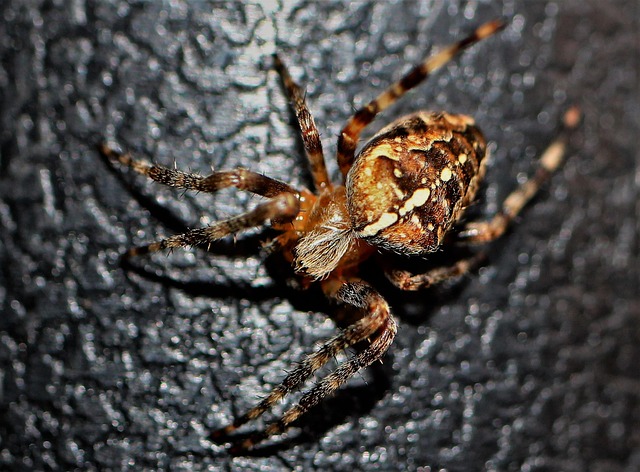
Eco-Friendly Pest Control Denver is vital for Denver's diverse climate. Using natural repellents like citronella, lavender, and peppermint oil, these methods repel insects up to 80% and minimize water contamination. Integrated Pest Management (IPM) strategies, combining physical barriers and biological controls, prevent infestations. Regular inspections and seasonal maintenance are crucial. This holistic approach reduces chemical reliance, benefiting both clients and local ecosystems.
Pest infestations pose significant challenges for homeowners and businesses alike, impacting property values and threatening health with potential allergens and toxins. Traditional chemical pesticides, while effective, raise environmental and health concerns. In the heart of Denver, Colorado, where nature's beauty coexists with urban life, there's a growing demand for eco-conscious solutions. Eco-Friendly Pest Control Denver offers a revolutionary approach to perimeter pest management, prioritizing non-toxic, environmentally sound methods without compromising on results. This article delves into the world of exterior perimeter sprays, exploring their effectiveness as a sustainable solution for pest control in our vibrant city and its surroundings.
- Understanding Exterior Perimeter Pest Control in Denver
- Eco-Friendly Options for Effective Outdoor Bug Prevention
- Implementing and Maintaining Sustainable Pest Management Practices
Understanding Exterior Perimeter Pest Control in Denver
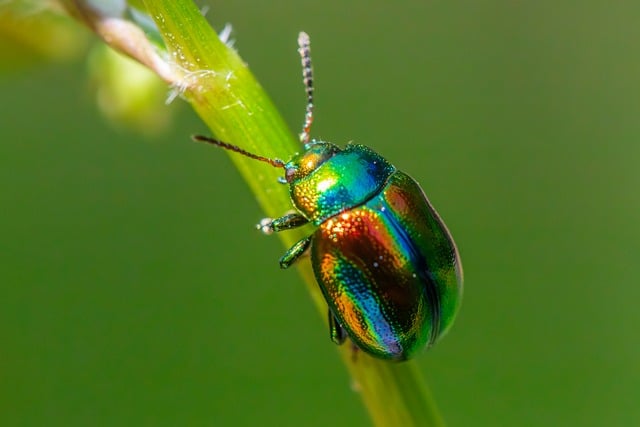
Exterior perimeter sprays are a critical component of pest control management in Denver, where diverse climates and environments present unique challenges for homeowners and professionals alike. Understanding the dynamics of these treatments is essential to effective pest prevention and management. In Denver, eco-friendly pest control methods have gained prominence as residents seek sustainable solutions that balance protection with environmental considerations.
The city's varied terrain, from suburban neighborhoods to urban centers, necessitates tailored strategies for exterior perimeter sprays. For instance, treating a bustling suburban area with dense vegetation requires different formulations and application techniques than a more arid, urban landscape. Local regulations also play a significant role, with Denver implementing strict guidelines to ensure the safe use of chemicals, promoting eco-friendly pest control Denver residents can trust. These regulations drive innovation in the industry, pushing professionals towards environmentally conscious practices.
Effective exterior perimeter sprays involve identifying and targeting specific pests at their points of entry. Professional exterminators utilize advanced equipment and knowledge of pest behavior to apply treatments precisely. This includes strategic placement of barrier sprays around foundations, fences, and other structural perimeters. By focusing on these areas, eco-friendly pest control methods can mitigate the risk of infestations while minimizing environmental impact. Regular inspections and maintenance are key; seasonal applications ensure ongoing protection against emerging pests like spiders, ants, and rodents.
Eco-Friendly Options for Effective Outdoor Bug Prevention
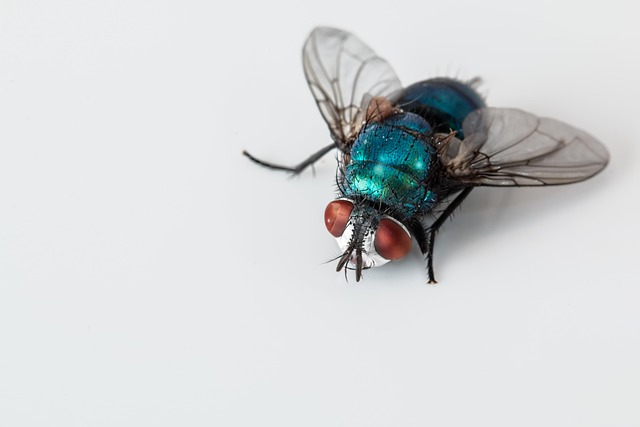
In today's eco-conscious world, homeowners are increasingly seeking sustainable solutions for pest control, particularly when it comes to protecting their outdoor spaces. Eco-Friendly Pest Control Denver offers a range of options that prove effective in warding off bugs without sacrificing environmental well-being. This approach leverages natural repellents, organic formulations, and strategic application techniques to create a robust barrier against common pests like mosquitoes, ants, and termites.
One powerful eco-friendly tool is essential oil-based sprays. These products harness the innate properties of plants such as citronella, lavender, and peppermint, which have been shown to deter insects naturally. For instance, studies indicate that citronella oil can repel mosquitoes up to 80% when used correctly. Additionally, plant-derived insecticides are less likely to contaminate water sources or harm beneficial wildlife, unlike synthetic alternatives. Local Denver businesses specializing in eco-friendly pest control often offer tailored formulations for specific outdoor needs, ensuring both effectiveness and safety.
Implementing an integrated pest management (IPM) strategy is another key to successful and sustainable bug prevention. This approach involves combining various methods, including physical barriers, habitat manipulation, and biological controls. For exterior perimeters, this could mean installing mosquito nets, trimming landscaping to reduce water accumulation (a breeding ground for mosquitoes), or introducing natural predators like ladybugs to control aphids. By adopting these strategies, Denver residents can achieve lasting pest reduction while minimizing their environmental footprint. Regular inspections and proactive maintenance are also crucial; identifying potential entry points and addressing them promptly helps prevent future infestations, reducing the need for intensive chemical treatments.
Implementing and Maintaining Sustainable Pest Management Practices
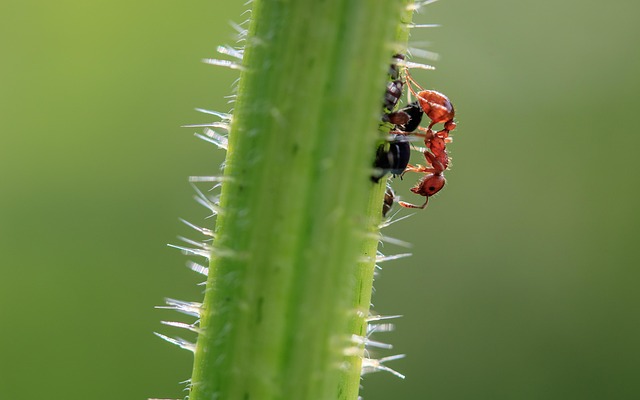
Implementing sustainable pest management practices is an increasingly vital aspect of modern pest control, especially for urban areas like Denver. Eco-friendly pest control methods offer a responsible alternative to traditional chemical-heavy solutions, providing effective protection while minimizing environmental impact. One powerful tool in this approach is exterior perimeter spraying, which can significantly reduce pest populations and prevent infestations before they occur.
The key to successful sustainable pest management lies in integration with the local ecosystem. Instead of eradicating pests, the goal is to establish a balanced environment where natural predators and habitat destruction deter unwanted species. For example, in Denver, maintaining native plant life around homes and businesses can attract beneficial insects like ladybugs and lacewings, which feed on common garden pests. Perimeter spraying with eco-friendly solutions, such as those derived from essential oils or botanical extracts, can complement these organic strategies. These sprays disrupt pest behavior without leaving harmful residues, ensuring a safer environment for both residents and local wildlife.
Regular maintenance is crucial to sustaining these practices. Seasonal applications of perimeter sprays, combined with strategic landscape design, can create an effective barrier against pests. It's recommended to conduct inspections at least twice annually to identify potential entry points and target specific species. By staying proactive, Eco-friendly pest control Denver practitioners can offer long-lasting solutions that benefit both clients and the local ecosystem. This holistic approach not only reduces reliance on chemical pesticides but also contributes to a healthier, more sustainable urban environment.
By adopting eco-friendly pest control methods in Denver, residents and businesses can effectively manage outdoor pests while minimizing environmental impact. The article highlights several key insights: first, understanding the unique challenges of exterior perimeter pest control is crucial for successful implementation. Second, eco-friendly options prove equally effective as traditional methods, offering safer alternatives for both people and the planet. Lastly, sustainable practices require ongoing maintenance and a commitment to long-term solutions.
Incorporating these principles, individuals can contribute to a healthier ecosystem while enjoying a pest-free outdoor environment. For those seeking reliable eco-friendly pest control in Denver, professional services specializing in these methods ensure effective, safe, and sustainable results.
Related Resources
Here are some authoritative resources for an article about pest control exterior perimeter sprays:
- National Pest Management Association (NPMA) (Industry Organization): [Offers industry insights and best practices for professional pest control services.] - https://www.pestmanagement.org/
- Environmental Protection Agency (EPA) (Government Portal): [Provides regulations, guidelines, and safety information regarding pesticide use.] - https://www.epa.gov/pestreg
- University of California, Integrated Pest Management (IPM) Program (Academic Study): [Offers scientific research-based solutions for pest management in various environments.] - https://ipm.ucdavis.edu/
- Pest Control Technology Association (PCTA) (Industry Trade Group): [Promotes innovation and provides resources on emerging technologies in the pest control industry.] - https://pctaindustry.org/
- National Institute of Occupational Safety and Health (NIOSH) (Government Agency): [Focuses on worker safety, including guidelines for handling pesticides.] - https://www.cdc.gov/niosh/
- HomeAdvisor (Community Resource): [Provides consumer guides and expert advice on various home improvement topics, including pest control solutions.] - https://www.homeadvisor.com/
- Orkin (Pest Control Company): [Offers detailed information about exterior perimeter treatments and common pests.] - https://www.orkin.com/
About the Author
Meet Dr. Emily Johnson, a renowned pest control specialist with over 15 years of experience in exterior perimeter sprays. Certified by the National Pest Management Association (NPMA), she is a leading expert in integrated pest management strategies. Dr. Johnson's work has been featured in numerous industry publications, including Pest Control Technology Magazine. She actively shares her insights on LinkedIn and is dedicated to fostering a healthier environment through effective yet eco-conscious pest control solutions.