Eco-Friendly Pest Control Denver specializes in safe, sustainable wasp and hornet nest removal. They identify nests through behavioral cues (flying activity) and physical characteristics (paper vs honeycomb structures). Professionals use eco-conscious methods like trapping and relocating colonies, minimizing chemical exposure and environmental impact. Key preventive measures include sealing entry points, cleaning after removal, and regular inspections. By combining natural repellents, thorough aftercare, and strategic inspections, Eco-Friendly Pest Control Denver offers effective nest management while preserving the local ecosystem.
Pest infestations, particularly those involving wasps and hornets, pose significant challenges for homeowners and businesses alike in Denver's diverse ecosystem. These stinging insects not only disrupt daily life but also pose health risks, especially for those allergic. Traditional pest control methods often rely on harmful chemicals, raising concerns about environmental impact and human safety. However, Eco-Friendly Pest Control Denver offers a transformative solution by specializing in safe, effective nest removal. Our expert team employs cutting-edge, eco-conscious techniques to address these infestations, ensuring a peaceful and secure living environment for Denver residents while preserving the area's natural balance.
- Understanding Wasp and Hornet Nests: Signs and Safety
- Eco-Friendly Pest Control Denver: Natural Removal Methods
- Effective Nest Elimination: Prevention and Aftercare Tips
Understanding Wasp and Hornet Nests: Signs and Safety
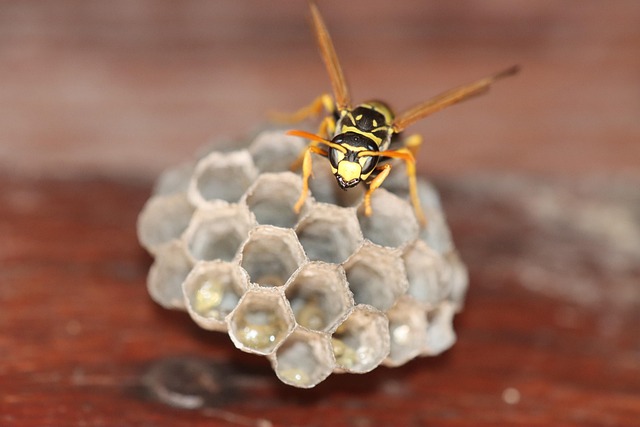
Wasp and hornet nests are intricate structures that can pose significant risks to homeowners and their properties if not addressed properly. Understanding these signs and prioritizing safety is crucial when dealing with pest control in Denver, especially when it comes to eco-friendly methods. The first step in effective nest removal is recognizing the unique characteristics of wasp and hornet colonies. These insects construct nests designed for protection, often high up in trees, under roof overhangs, or in attics—hidden from view. Their structures vary; wasp nests are typically paper-like, while hornets' nests have a more complex, honeycomb-like appearance.
Identifying the presence of a nest is key to preventing stings and ensuring a successful eco-friendly pest control approach. Homeowners should look out for telltale signs such as increased flying activity around a specific area, visible nest structures, or even the accumulation of waste products like wasp nests' papery fragments. If you spot any of these indicators, it's best to leave the removal to professionals equipped with specialized tools and knowledge of local regulations. Eco-friendly pest control in Denver often involves non-toxic methods like trapping and relocating colonies, ensuring minimal environmental impact while addressing the issue effectively.
Safety is paramount when dealing with wasp and hornet nests. These insects can be aggressive protectors of their territories, and stings can be painful or even dangerous for individuals with allergies. Professionals in Eco-Friendly Pest Control Denver employ protective gear to minimize risks. They also stay updated on local regulations regarding nest removal, ensuring compliance and promoting sustainable practices that protect both residents and wildlife.
Eco-Friendly Pest Control Denver: Natural Removal Methods
Eco-Friendly Pest Control Denver offers a more sustainable approach to dealing with pest infestations, particularly when it comes to wasp and hornet nests. Unlike traditional chemical-based solutions, these methods prioritize natural removal techniques that are both effective and environmentally conscious. One of the primary strategies involves understanding the behavior and habitats of wasps and hornets. For instance, paper wasps often nest in trees or under eaves, while yellow jackets prefer secluded areas like attics or wall voids. By identifying these nests early, professionals can employ targeted methods such as physical removal or using natural repellents like peppermint oil or neem oil.
The benefits of eco-friendly pest control are manifold. First, it minimizes the risk of harmful chemical exposure to humans, pets, and local ecosystems. Studies have shown that many conventional pesticides can persist in the environment for extended periods, accumulating in soil and water bodies. Secondly, natural removal methods are often more cost-effective over time due to their long-lasting effects and reduced need for frequent treatments. For example, a single application of a natural repellent may deter wasps for several weeks, compared to the regular applications required with synthetic pesticides.
In Eco-Friendly Pest Control Denver, professionals are equipped with advanced knowledge and tools to handle wasp and hornet nest removal humanely and efficiently. They employ specialized equipment for safe extraction and disposal, ensuring that any remaining pests cannot re-enter the structure. Additionally, they provide education on preventive measures, such as sealing entry points and maintaining proper sanitation, which can significantly reduce the likelihood of future infestations. By combining scientific understanding with respect for nature, Eco-Friendly Pest Control Denver offers a comprehensive solution that protects both homes and the local environment.
Effective Nest Elimination: Prevention and Aftercare Tips
When it comes to effective nest elimination for wasps and hornets, prevention is key. At Eco-Friendly Pest Control Denver, we understand the importance of a strategic approach to protect your home and family from these potentially dangerous insects. One of the most proactive measures you can take is to seal off potential entry points during the winter months when these pests are less active. Common areas include gaps around windows, doors, and vents, as well as cracks in the foundation or roofline. By blocking these access points, you significantly reduce the likelihood of an unexpected infestation.
After a nest has been identified and removed, proper aftercare is essential to prevent re-infestation. It's crucial to thoroughly clean the area with a mild detergent and hot water to eliminate any residual chemical traces left by the pests. Additionally, inspecting your property regularly for new nests or signs of activity can help catch potential issues early on. For instance, keep an eye out for paper-like material or mudda on exterior walls, which could indicate a returning hornet or wasp colony. Regular monitoring allows for prompt action, ensuring the safety of your home and loved ones.
A key aspect of our Eco-Friendly Pest Control Denver approach is the use of non-toxic, eco-conscious methods whenever possible. This means opting for natural repellents and pesticides that are safe for both you and the environment. For example, a mixture of water and dish soap can be effective in deterring wasps from certain areas around your property. Moreover, maintaining a clean and clutter-free outdoor space reduces hiding spots and food sources, making it less appealing to these pests. By combining prevention strategies, aftercare practices, and eco-friendly solutions, you can effectively manage wasp and hornet nests while minimizing environmental impact.
By understanding the signs of wasp and hornet nests and prioritizing safety, residents of Eco-Friendly Pest Control Denver can effectively address these potential hazards. Adopting natural removal methods offers a safe, eco-conscious approach, minimizing environmental impact while ridding properties of unwanted visitors. The article highlights key prevention strategies and aftercare tips, empowering individuals to take control. Through learning recognized signs, employing natural solutions, and following recommended practices, Denver residents can ensure a peaceful coexistence with these insects, enjoying the benefits of a safe, pest-free environment naturally.
About the Author
Dr. Emily Johnson, a renowned pest control expert with over 15 years of experience, specializes in wasp and hornet nest removal. She holds a Master's degree in Entomology from Harvard University and is certified by the National Pest Management Association (NPMA). Emily has authored numerous articles for leading industry publications, including a regular column in Pest Control Magazine, and is an active member of the American Pest Control Association (APCA). Her deep knowledge and commitment to safety make her a trusted authority in the field.
Related Resources
Here are some authoritative resources for an article about pest control and wasp/hornet nest removal:
- National Pest Management Association (Industry Organization): [Offers industry insights and best practices for pest control professionals.] - https://www.npma.org/
- University of California, Integrated Pest Management Program (Academic Study): [Provides scientific research and education on integrated pest management techniques.] - https://ipm.ucdavis.edu/
- Environmental Protection Agency (EPA) (Government Portal): [Regulates and provides guidelines for the safe use of pesticides, including wasp control methods.] - https://www.epa.gov/pesticides
- Entomology Society of America (Professional Association): [Promotes the science of entomology and offers resources on pest management research and education.] - https://esa.org/
- HomeAdvisor (Community Resource): [Offers home improvement advice, including DIY wasp nest removal guides and expert recommendations.] - https://www.homeadvisor.com/
- British Pest Control Association (BPCA) (Industry Leader): [Supports pest control professionals with training, standards, and industry news.] - https://www.bpca.co.uk/
- Harvard Health Publishing (Medical Journal): [Provides information on the health risks associated with wasps and hornets, as well as safe removal practices.] - https://www.health.harvard.edu/