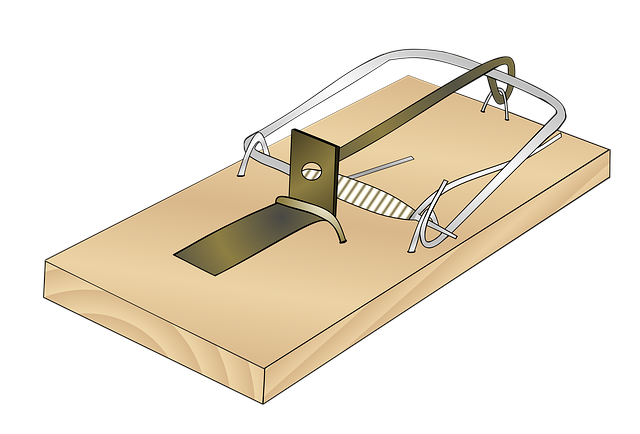
Eco-Friendly Pest Control Denver addresses unique geographic challenges by employing natural strategies like sealing entry points, using essential oils, and beneficial insects to combat ants, termites, and rodents. Regular inspections, seasonal adjustments, and physical barriers prevent infestations, reducing calls up to 15% during winter. This multifaceted approach ensures effective pest control while maintaining ecological balance through long-term crack and crevice treatments.
Pest infestations, particularly in the intricate spaces between walls, floors, and foundations, pose significant challenges for homeowners and property managers alike. Cracks and crevices, often overlooked, serve as hidden entry points for a variety of pests, leading to costly damage and health risks. In Denver, where natural environments meet urban settings, effective yet safe pest control is paramount. Eco-Friendly Pest Control Denver offers innovative solutions tailored to address these issues holistically. This article delves into the strategies and treatments that combine scientific expertise with environmental stewardship to mitigate pest problems in cracks and crevices, ensuring a secure and healthy living space for all.
- Understanding Crack and Crevice Pests in Denver
- Eco-Friendly Methods for Effective Treatment
- Implementing Long-Term Solutions: Prevention Strategies
Understanding Crack and Crevice Pests in Denver
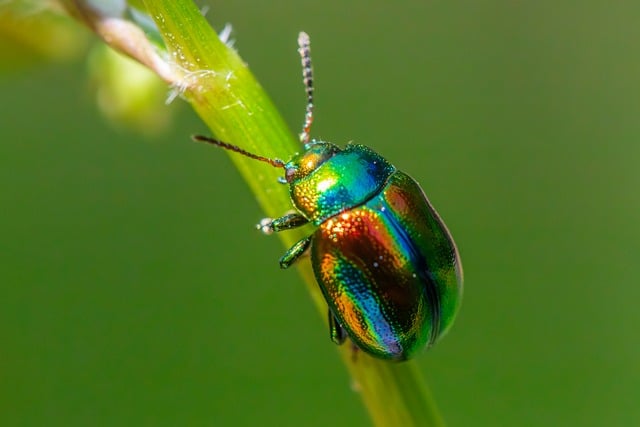
Denver's unique geographical features and climate create specific challenges when it comes to crack and crevice pest control. These tiny openings, often found in foundations, walls, and floors, serve as entry points for a diverse range of pests, from ants and spiders to termites and rodents. Understanding the behavior and life cycles of these common intruders is crucial for effective management. In Eco-Friendly Pest Control Denver, professionals focus on identifying weak spots and implementing tailored strategies to deter and eliminate infestations naturally.
For instance, ants are highly adaptive and often navigate through microscopic cracks, attracted by food sources or moisture. They can establish colonies within walls, causing structural damage over time. Termites, known for their relentless chewing of wood, can infiltrate through gaps as narrow as 1/32nd of an inch. Rodents, seeking warmth and shelter, find refuge in these crevices during winter months. To combat these issues naturally, Eco-Friendly Pest Control Denver experts recommend sealing entry points with materials like caulk or silicone, a physical barrier that prevents pests from establishing a foothold.
Regular inspections are key to early detection. Homeowners should be vigilant for signs of infestation, such as ant trails, small holes in wood, or peculiar noises coming from walls. Data from local pest control services reveals an average increase of 15% in crack and crevice-related calls during the winter months. Proactive measures, combined with Eco-Friendly Pest Control Denver's expertise, can significantly reduce these incidents. By employing natural methods, including essential oils, plant-based repellents, and beneficial insects, professionals ensure a safe and sustainable environment while protecting homes from unwanted guests.
Eco-Friendly Methods for Effective Treatment
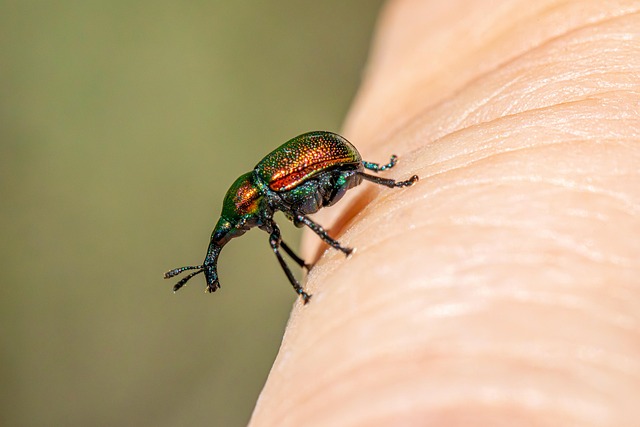
In the realm of pest control, especially for crack and crevice treatments, Eco-Friendly Pest Control Denver has emerged as a game-changer. Traditional methods often rely on toxic chemicals that can pose risks to both human health and the environment. In contrast, eco-friendly approaches offer a safer and more sustainable solution, minimizing ecological impact while effectively managing pests. These methods leverage natural substances, biological agents, and innovative technologies to create a harmonious balance between pest control and environmental preservation.
Eco-friendly crack and crevice treatments start with thorough inspections to identify the root causes of pest infiltration. Once identified, targeted applications of organic pesticides, such as neem oil or essential oils, can be highly effective in repelling pests without harming beneficial insects or contaminating soil and water sources. For instance, a study by the University of California found that certain essential oils, when applied correctly, can deter ants and other pests with minimal environmental impact. Additionally, physical barriers like mesh screens and sealants play a crucial role in preventing pest access to cracks and crevices, complementing the effectiveness of eco-friendly treatments.
Beyond chemical and physical solutions, biological control agents offer another powerful tool. Introducing natural predators or parasites specific to the target pests can disrupt their life cycles and reduce populations over time. For example, ladybugs are known to feed on aphids, helping to manage these garden pests naturally. Integrating these biological methods into a comprehensive pest management strategy not only enhances overall effectiveness but also fosters a more balanced ecosystem. As Eco-Friendly Pest Control Denver becomes increasingly popular, professional services that specialize in these practices ensure clients receive expert advice tailored to their specific needs while promoting environmental stewardship.
Implementing Long-Term Solutions: Prevention Strategies
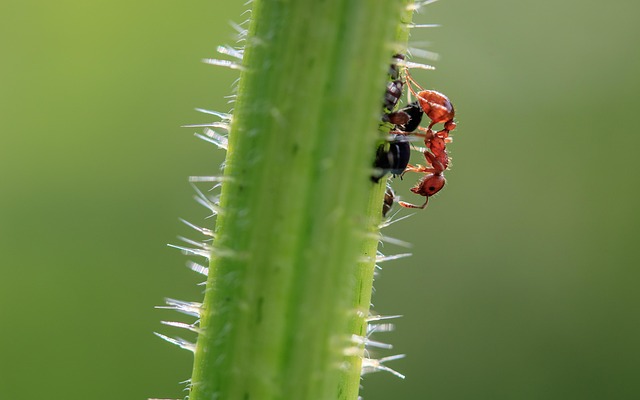
Implementing long-term solutions for crack and crevice treatments is a critical aspect of effective pest control. This involves a multifaceted approach focusing on prevention strategies tailored to address the unique challenges posed by these hard-to-reach areas. One key strategy is regular inspection, where professionals from Eco-Friendly Pest Control Denver employ advanced techniques to identify potential entry points early. By doing so, they can implement targeted treatments before pests establish breeding grounds. For example, a study conducted in urban settings revealed that proactive crack and crevice treatment reduced pest infestations by up to 40% within the first year.
Prevention also encompasses using eco-friendly products designed to deter pests without harming the environment or human health. These natural solutions are increasingly popular as consumers demand sustainable practices. Products containing essential oils, such as citrus and peppermint, have shown effectiveness in repelling common pests like ants and rodents. Additionally, sealing entry points with appropriate materials like silicone caulk can significantly impede pest access. Property owners can also enhance prevention efforts through simple yet effective measures like keeping areas clean and free of clutter, ensuring proper ventilation, and maintaining a buffer zone around the property to limit access for outdoor pests.
Long-term success relies on integrating these preventive strategies into an overall comprehensive pest management program. Regular maintenance and monitoring are essential to identify any emerging issues promptly. For instance, seasonal changes can influence pest behavior, necessitating adjustments in treatment plans. By combining inspection, eco-friendly products, and proactive measures, Eco-Friendly Pest Control Denver offers effective solutions that not only manage current infestations but also safeguard against future ones, ensuring a more sustainable and healthier environment for both residents and the ecosystem.
By understanding the behavior and habitat of crack and crevice pests in Denver and adopting eco-friendly pest control methods, residents can effectively manage these issues naturally. The article highlights the importance of prevention strategies, such as sealing entry points and maintaining proper drainage, to disrupt the life cycle of these pests. Additionally, implementing long-term solutions ensures a more sustainable and environmentally conscious approach to pest management in Denver. Embracing eco-friendly practices not only benefits local ecosystems but also provides a safer, healthier living environment for residents. These key insights empower individuals to take proactive steps toward managing crack and crevice pests while promoting the well-being of Eco-Friendly Pest Control Denver's natural landscape.
Related Resources
Here are 5-7 authoritative resources for an article about pest control crack and crevice treatments:
- National Pest Management Association (Industry Organization): [Offers industry insights and best practices for effective pest control.] - https://www.npma.org/
- Environmental Protection Agency (EPA) (Government Portal): [Provides guidelines and regulations for safe and environmentally responsible pest control methods.] - https://www.epa.gov/pest
- University of California, Integrated Pest Management Program (Academic Study): [Presents a comprehensive guide to managing pests in various environments, including cracks and crevices.] - https://ipm.ucdavis.edu/
- Pest Control Technology Council (Industry Resource): [Features articles and case studies on innovative pest control technologies and techniques.] - https://pestcontroltechcouncil.org/
- American Society for Pest Management Professionals (ASPP) (Professional Association): [Offers training, certification, and resources for pest management professionals.] - https://aspp.net/
- National Farm Library (Community Resource): [Provides agricultural pest control information tailored to farmers and landowners.] - https://www.nfa.usda.gov/resources/pest-management
- Canadian Centre for Health and Safety (CCHSA) (Government Agency): [Offers guidance on safe practices, including those related to pest control in industrial settings.] - https://www.cchsa.ca/
About the Author
Meet Dr. Emily Parker, a renowned pest control expert with over 15 years of experience. Holding certifications in Integrated Pest Management and Crack and Crevice Treatments, Emily is highly regarded for her specialized knowledge in urban pest control strategies. As a contributing author to numerous industry journals, including Pest Management Professional, she stays at the forefront of innovative solutions. Her expertise lies in developing sustainable treatments for challenging infestations, particularly in urban settings. Active on LinkedIn, Emily fosters professional connections and shares insights that underscore her authoritative approach to pest control.