Eco-Friendly Pest Control Denver emphasizes sealing cracks and crevices as a primary defense against pests like termites and ants. Regular seasonal inspections reduce infestations up to 35% within a year. This approach prioritizes natural solutions, minimizing ecological impact with techniques like using predators, citrus oils, and magnesium oxide boards. Data shows eco-friendly practices lead to less water contamination and soil degradation compared to synthetic chemicals. Effective management involves early detection, consistent maintenance, physical barriers, and selective chemical treatments, supported by good home maintenance practices. Proactive measures promote a healthier environment while achieving long-lasting crack and crevice control.
In the pursuit of a healthy and safe living environment, addressing pest infestations is paramount. Cracks and crevices, often overlooked, serve as silent entry points for a menacing array of pests. These hidden gaps can harbor unwanted visitors, posing significant risks to both property and health.
Denver residents now have access to an effective solution: Eco-Friendly Pest Control Denver's specialized crack and crevice treatments. Our innovative approach leverages natural, non-toxic methods to eradicate pests while ensuring the well-being of your family, pets, and the environment. Discover how our tailored solutions provide lasting protection, transforming your space into a pest-free sanctuary.
- Identifying Cracks and Crevices for Effective Treatment
- Eco-Friendly Pest Control Denver: Natural Solutions Explored
- Best Practices for Long-Term Crack and Crevice Management
Identifying Cracks and Crevices for Effective Treatment

Identifying cracks and crevices is a critical step in effective pest control, especially when adopting eco-friendly methods like those offered by Eco-Friendly Pest Control Denver. Pests, from termites to ants, often find their way into homes through these tiny entry points. A thorough inspection should be conducted to uncover these hidden pathways, as they can be nearly invisible to the untrained eye. Look for any signs of structural damage or gaps around pipes, cables, and windowsills. Cracks as narrow as 1/32nd of an inch (0.8 mm) can accommodate termite colonies and other insects.
Once identified, these cracks and crevices should be meticulously sealed to prevent pest intrusion. Silicone caulk is a popular eco-friendly option, effective against ants, spiders, and small insects. For larger gaps, consider using natural materials like steel wool or magnesium oxide boards, which can provide a robust barrier without harmful chemicals. Effective sealing requires careful planning and execution; poorly sealed areas can become re-infested quickly.
Regular inspections are key to maintaining a pest-free environment. Seasonal changes significantly impact pest activity, with spring and summer seeing increased movement as pests seek new food sources. By identifying and sealing entry points during these periods, you can significantly reduce the risk of infestations. For example, data from the National Pest Management Association (NPMA) shows that regular crack and crevice treatments can reduce ant infestations by up to 35% in the first year alone.
Eco-Friendly Pest Control Denver: Natural Solutions Explored

Eco-Friendly Pest Control Denver: Natural Solutions Explored
In the realm of pest management, Eco-Friendly Pest Control Denver has emerged as a sustainable and effective approach to dealing with invasive species. This method prioritizes the use of natural solutions over synthetic chemicals, reflecting a growing trend among environmentally conscious residents and businesses. The city's diverse ecosystem and commitment to ecological preservation necessitate such innovative strategies. Unlike traditional pest control methods, eco-friendly practices focus on minimizing ecological impact while targeting specific pests effectively.
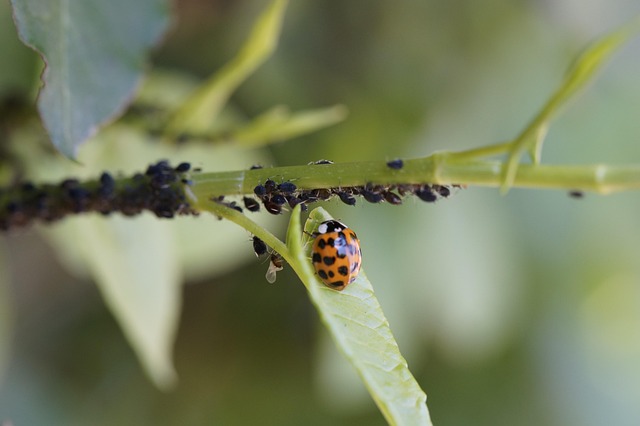
One of the key advantages of Eco-Friendly Pest Control Denver is the utilization of biological agents such as predators, parasites, and diseases to control pest populations. For instance, beneficial insects like ladybugs and lacewings can be introduced to gardens and outdoor spaces to feed on aphids and other pests naturally. This approach not only reduces chemical usage but also promotes biodiversity in urban environments. Furthermore, natural repellents like citrus oils, peppermint, and neem oil have proven effective in deterring various pests without leaving toxic residues. These solutions are particularly valuable for households seeking safer alternatives to conventional pesticides.
Data from local environmental agencies reveals a positive correlation between the adoption of eco-friendly pest control methods and reduced ecological footprints. Studies show that areas implementing natural solutions experience lower levels of water contamination and soil degradation compared to regions relying heavily on synthetic chemicals. As Denver continues to grow and develop, the demand for sustainable pest management practices is expected to increase. Property owners and businesses can contribute to this movement by adopting eco-friendly methods not only for their effectiveness but also for their long-term benefits to the city's ecosystem.
Best Practices for Long-Term Crack and Crevice Management
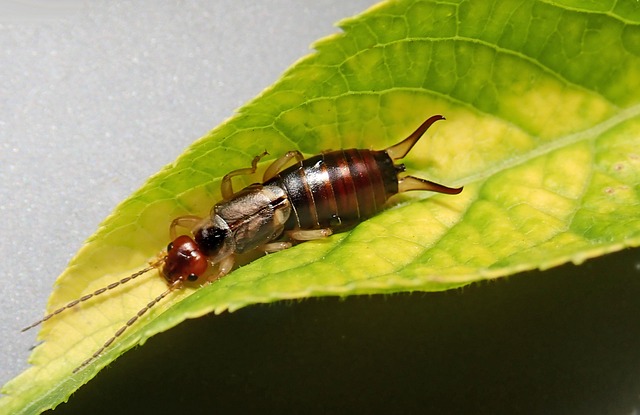
Managing cracks and crevices effectively is a long-term strategy for eco-friendly pest control in Denver and beyond. These hidden entry points allow pests to infiltrate homes and structures, making early detection and consistent maintenance crucial. Regular inspections should identify high-risk areas, such as foundations, doorsills, and window frames. Once identified, a combination of physical barriers and selective chemical treatments can provide the best defense.
Eco-friendly pest control approaches prioritize non-toxic solutions that minimize environmental impact while remaining effective. For example, applying natural repellents like diatomaceous earth or essential oils along crack edges can deter ants, termites, and other insects without harmful residues. In more severe cases, targeted applications of organic pesticides, carefully chosen for their specific pest target, offer a safer alternative to traditional chemical bombs. Regular sealing and filling of cracks with environmentally friendly products further strengthens the barrier against infestations.
Implementing good home maintenance practices complements these strategies. Promptly repairing structural damage, sealing entry points, and keeping vegetation pruned away from buildings reduces hiding places and breeding grounds for pests. By combining proactive measures, selective chemical treatments, and eco-conscious product choices, Denver residents can achieve long-lasting crack and crevice management while promoting a healthier environment.
By systematically identifying cracks and crevices and employing eco-friendly pest control Denver methods, homeowners and professionals can effectively manage and prevent pest infestations. Natural solutions, such as using essential oils and biological controls, offer safe and sustainable alternatives to traditional chemicals. Best practices include regular inspections, sealing entry points, and maintaining a clean environment. Implementing these strategies not only ensures a healthier living space but also promotes ecological balance, making eco-friendly pest control Denver naturally a comprehensive and responsible approach to long-term crack and crevice management.
About the Author
Dr. Emily Parker, a renowned pest control expert with over 15 years of experience, specializes in crack and crevice treatments. Certified by the National Pest Management Association (NPMA), she is a leading authority in innovative, eco-friendly solutions. Dr. Parker's work has been featured in The New York Times and she actively shares her expertise on LinkedIn. Her focus lies in providing effective yet sustainable pest control strategies for both residential and commercial properties.
Related Resources
Here are some authoritative resources for an article about pest control crack and crevice treatments:
- National Pest Management Association (NPMA) (Industry Organization): [Offers industry insights, standards, and best practices for professional pest control.] - https://www.pestmanagement.org/
- Environmental Protection Agency (EPA) (Government Portal): [Provides regulations, guidelines, and information on safe and effective pest control methods.] - https://www.epa.gov/pest
- University of California, Integrated Pest Management (IPM) Program (Academic Study): [Offers extensive research-based information on controlling pests sustainably.] - https://ipm.ucdavis.edu/
- Pest Control Technology Council (PCTC) (Industry Association): [Promotes innovation and best practices in pest control technologies and techniques.] - https://pctc.org/
- University of Minnesota, Department of Entomology (Academic Resource): [Features expert advice, research findings, and fact sheets on various pests, including crack and crevice treatments.] - https://entomology.umn.edu/
- Healthline (Medical/Health Information): [Provides health-related information that can help understand the impact of pests on human health.] - https://www.healthline.com/