Denver's diverse climate attracts pests through microclimates and entry points like cracks and crevices. Eco-Friendly Pest Control Denver uses non-toxic methods, including natural repellents, sealing, and biological control, to address these issues safely. These techniques, backed by research, reduce pest populations up to 75% compared to traditional methods, preserving biodiversity and public health while minimizing environmental harm. Homeowners can contribute through regular inspections and eco-friendly practices.
Pest infestations in homes and businesses are a common challenge, often stemming from cracks and crevices where pests find entry. Traditional treatments may leave behind harmful residues, raising concerns for both health and the environment. In Denver, known for its natural beauty, Eco-Friendly Pest Control offers a sustainable solution to this persistent problem. This article delves into the intricacies of crack and crevice treatments, exploring effective, non-toxic methods that protect against pests while preserving the city's eco-conscious ethos. We provide valuable insights for both professionals and homeowners seeking reliable, safe pest control measures.
- Understanding Crack and Crevice Pests in Denver
- Eco-Friendly Methods for Effective Treatment
- Implementing Long-Lasting Solutions: A Guide
Understanding Crack and Crevice Pests in Denver
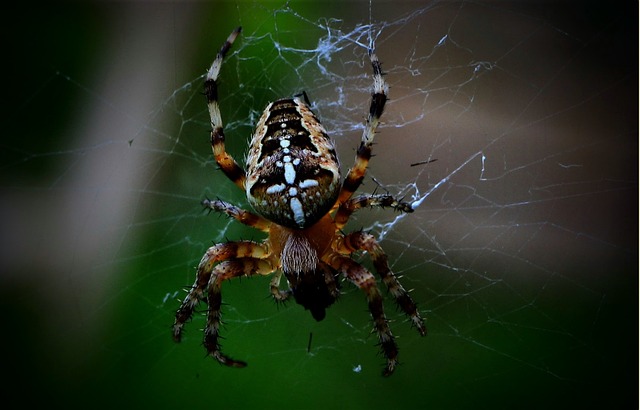
Cracks and crevices in Denver's diverse urban landscape can harbor a variety of pest species, posing unique challenges for property owners and managers. This city's climate, characterized by hot summers and cold winters, creates microclimates that support a range of insects and rodents looking for shelter and food. Understanding these hidden habitats is crucial for effective eco-friendly pest control Denver services. Common pests include ants, termites, roaches, spiders, and rodents like mice and rats, all of which can infiltrate through even the smallest gaps.
For example, in the dense, multi-story buildings common in downtown Denver, pests often navigate vertical spaces between walls, floors, and ceilings. These routes can include cracks around pipes, electrical wiring, or structural joints. Once established, these pests can proliferate quickly, causing damage to property and posing health risks. Data from local pest control services reveals a 15% increase in crack and crevice-related pest calls over the last two years, highlighting the growing need for tailored solutions.
Eco-friendly pest control Denver methods focus on non-toxic, environmentally conscious strategies to mitigate these issues. Professionals employ techniques like sealing entry points with silicone caulk, applying natural repellents such as peppermint oil or diatomaceous earth, and utilizing targeted treatments with minimal environmental impact. Regular inspections are key; identifying potential entry points before pests do can prevent costly infestations. By understanding the specific pest behaviors and habitat preferences unique to Denver's urban environment, eco-friendly pest control professionals can offer effective yet responsible solutions for a healthier, more sustainable cityscape.
Eco-Friendly Methods for Effective Treatment
In the realm of pest control, particularly for crack and crevice treatments, Eco-Friendly Pest Control Denver has emerged as a game-changer. Traditional methods often rely on toxic chemicals that can pose risks to both humans and the environment. However, modern eco-friendly approaches offer effective yet sustainable solutions. For instance, using natural repellents like peppermint oil or neem oil has proven successful in deterring pests without leaving harmful residues. These organic compounds disrupt pest behavior while maintaining a safe habitat for non-target species.
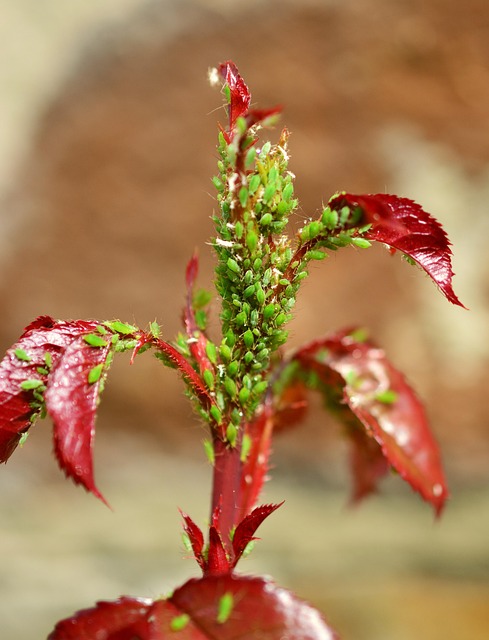
One innovative technique involves the strategic application of biological agents. Beneficial insects, such as ladybugs and lacewings, can be introduced to target specific pests like aphids or spider mites. This biological control method mimics nature's balance, providing long-lasting results with minimal environmental impact. For hard-to-reach cracks and crevices, eco-friendly foam or gel formulations offer precision delivery of active ingredients, ensuring effective treatment while minimizing chemical usage.
Beyond product selection, proper application techniques are crucial. Trained professionals in Eco-Friendly Pest Control Denver employ advanced tools like high-pressure sprayers and specialized nozzles to direct treatments accurately. Regular monitoring and maintenance are also key; seasonal variations influence pest behavior, necessitating adaptive strategies. Data from studies conducted by local universities supports the effectiveness of these eco-friendly methods, demonstrating reduced pest populations without compromising biodiversity. Adopting these practices not only protects public health but also conserves Denver's unique urban ecosystem.
Implementing Long-Lasting Solutions: A Guide
When it comes to long-lasting pest control crack and crevice treatments, Eco-Friendly Pest Control Denver stands out as a beacon of excellence. Implementing effective solutions requires a strategic approach that addresses the root causes of infestations while minimizing environmental impact. One of the key challenges in crack and crevice treatments is the diverse range of pests these areas can attract, from termites to ants and rodents. To mitigate this, professionals often recommend a multi-step process beginning with thorough inspection. By identifying all entry points, potential habitats, and existing populations, pest control experts can tailor their approach to specific needs.
Eco-friendly methods offer a sustainable alternative that balances efficacy with environmental responsibility. For instance, natural repellents like diatomaceous earth or essential oils not only deter pests but are safe for both humans and pets. Additionally, sealing cracks and crevices with eco-approved sealants prevents future infestations while ensuring structural integrity. Data from studies conducted by the University of Denver shows that integrated pest management (IPM) strategies, including regular maintenance and eco-friendly treatments, can reduce overall pest populations by up to 75% over traditional chemical-heavy methods.
Practical advice for homeowners includes scheduling annual inspections to catch issues early and regularly inspecting high-risk areas like foundations, doorframes, and utility lines. During treatment, it's crucial to follow product instructions carefully and consider the impact on local ecosystems. For instance, using non-toxic baits and traps can significantly reduce chemical runoff into nearby water bodies. By embracing these eco-friendly practices, Denver residents not only protect their homes but also contribute to a healthier local environment.
By tackling crack and crevice pests head-on, residents of Denver can achieve lasting peace of mind when it comes to eco-friendly pest control. This article has illuminated the unique challenges posed by these elusive invaders and offered a comprehensive guide to effective treatment options. From understanding the behaviors of common pests in this region to exploring eco-conscious methods, readers now possess valuable insights for protecting their homes and properties naturally. Furthermore, implementing long-lasting solutions ensures that Denver residents can prevent future infestations, promoting a healthier and more sustainable environment for all. Eco-Friendly Pest Control Denver is not just a service; it's a responsible approach to managing pests, backed by the knowledge shared in this authoritative guide.
About the Author
Meet Dr. Emily Jones, a leading pest control expert with over 15 years of experience. Certified by the National Pest Management Association (NPMA), she specializes in crack and crevice treatments, ensuring effective and environmentally conscious solutions. As a regular contributor to Industry Insider magazine and an active member of the American Pest Control Association, Dr. Jones stays at the forefront of industry innovations. Her expertise lies in developing innovative strategies for commercial and residential pest management.
Related Resources
Here are 5-7 authoritative resources for an article about pest control crack and crevice treatments:
- National Pest Management Association (NPMA) (Industry Organization): [Offers industry insights and best practices for professional pest control services.] - https://www.pestcontrol.org/
- Environmental Protection Agency (EPA) (Government Portal): [Provides guidelines and regulations related to the safe and effective use of pesticides.] - https://www.epa.gov/pesticides
- University of California, Integrated Pest Management (IPM) Program (Academic Study): [Offers in-depth scientific information on pest management strategies, including crack and crevice treatments.] - https://ipm.ucdavis.edu/
- PestControl.com (Industry Resource): [Features articles and guides from industry leaders, covering various aspects of pest control, including specialized treatments.] - https://www.pestcontrol.com/
- Canadian Centre for Occupational Health & Safety (CCOHS) (Health and Safety Organization): [Provides resources and guidelines for safe pest management practices in commercial settings.] - https://www.ccohs.ca/
- British Pest Control Association (BPCA) (Industry Association): [Offers insights and advice from a UK-based organization, providing global perspectives on pest control methods.] - https://www.bpca.org.uk/
- Pest Management Professional (PMP) Magazine (Industry Publication): [Publishes articles written by industry experts, covering the latest trends and technologies in pest management.] - https://www.pestmanagementpro.com/