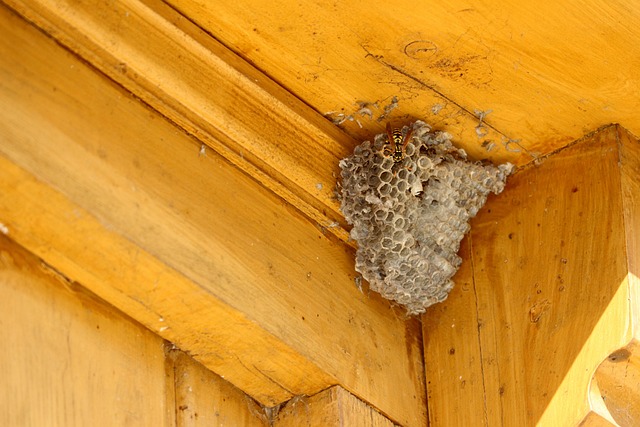
Eco-Friendly Pest Control Denver emphasizes a strategic, multi-layered approach to managing pests like termites and rodents. Key strategies include: identifying and sealing entry points, using non-toxic solutions like low-VOC sealants and diatomaceous earth, regular seasonal inspections, integrated pest management (IPM), deploying physical barriers, maintaining vegetation control, and proper waste management. This holistic method reduces infestations by up to 50%, protecting properties while preserving Denver's ecosystem.
Pest infestations can wreak havoc on homes and businesses, causing damage and creating health risks. Cracks and crevices serve as entry points for a myriad of pests, from ants and termites to rodents and insects. In Denver, where natural environments meet urban landscapes, effective yet safe pest control crack and crevice treatments are paramount. Eco-Friendly Pest Control Denver offers a comprehensive solution, leveraging innovative, non-toxic methods tailored to the region's unique ecosystem. This article delves into the root causes of these infestations, explores the challenges of traditional treatments, and highlights the benefits of eco-conscious alternatives for a secure, sustainable living environment.
- Understanding Crack and Crevice Pest Entry Points in Denver
- Eco-Friendly Methods for Effective Crack and Crevice Treatments
- Best Practices and Tips for Long-Term Protection in Denver Homes
Understanding Crack and Crevice Pest Entry Points in Denver
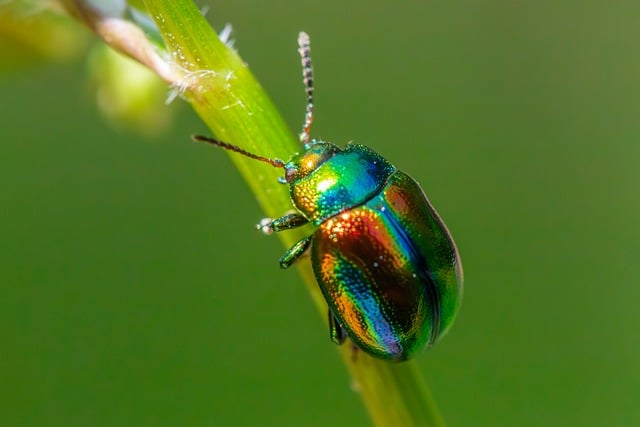
In Denver's unique environmental landscape, understanding crack and crevice pest entry points is a cornerstone of effective eco-friendly pest control. These narrow openings, often found in buildings' foundations, walls, and floors, serve as stealthy gateways for a variety of pests, from termites to rodents. Unlike traditional treatments that rely heavily on chemical pesticides, eco-friendly Pest Control Denver approaches these entry points with a focus on non-toxic, sustainable solutions. For instance, sealing cracks with natural, low-VOC (Volatile Organic Compound) sealants not only blocks pest access but also improves structural integrity and energy efficiency.
Regular inspection is key to proactive management. Homeowners and property managers in Denver should conduct routine visual checks, particularly during seasonal transitions when pests are most active. Common problem areas include spaces around pipes, electrical wires, and doors/windows. Identifying these entry points early allows for the application of appropriate eco-friendly treatments, such as diatomaceous earth—a natural powder that disrupts pest exoskeletons—in crevices and voids. Data from local pest control services suggests that proactive crack and crevice treatment can reduce pest infestations by up to 50%, significantly lowering the need for intensive chemical interventions.
To ensure maximum effectiveness, consider a layered approach. In addition to sealing entry points, deploy physical barriers like steel wool or metal mesh in larger openings. Combine these with regular maintenance practices, such as trimming vegetation away from structures and promptly fixing any leaks or moisture issues, which attract pests. By integrating these eco-friendly pest control measures, Denver residents can protect their properties while preserving the region's unique ecosystem and contributing to a healthier environment.
Eco-Friendly Methods for Effective Crack and Crevice Treatments
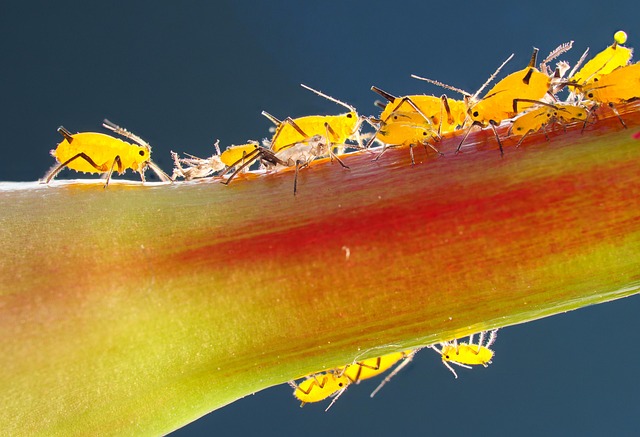
In the realm of pest control, managing cracks and crevices is a critical aspect of maintaining a healthy environment, especially in urban areas like Denver. Eco-friendly methods for crack and crevice treatments have gained prominence due to their effectiveness and minimal impact on ecosystems and human health. These natural solutions offer a viable alternative to traditional chemical-heavy approaches, addressing the growing demand for sustainable pest management practices. For instance, in Denver, where biodiversity is rich but urban development poses challenges, eco-friendly pest control has shown remarkable success in preserving local ecosystems while mitigating pest infestations.
One of the most effective eco-friendly treatments involves the use of biological agents such as beneficial insects and fungi. Natural predators like ladybugs and lacewings are known to target specific pests that lurk in cracks and crevices, providing a safe and precise control method. Additionally, certain fungi, like those from the Bacillus species, can colonize and disrupt pest life cycles. For example, a study conducted by the University of Colorado found that applying Bacillus thuringiensis (Bt) dust in hard-to-reach areas reduced cockroach populations significantly over several months, with minimal environmental impact. This method not only offers long-term protection but also minimizes the risk of chemical resistance developing among pests.
Beyond biological agents, physical and mechanical methods play a crucial role in eco-friendly crack and crevice treatments. Sealants designed from natural materials like silicone or plant-based oils can effectively plug entry points, preventing pest access to buildings and structures. Physical barriers, such as metal mesh or fine wire screens, are also employed to deter pests from entering narrow spaces. These physical solutions provide a lasting solution without introducing harmful chemicals into the environment. For property owners in Denver, combining these eco-friendly methods with regular inspections can lead to substantial reductions in pest infestations and contribute to a healthier, more sustainable urban landscape.
Best Practices and Tips for Long-Term Protection in Denver Homes
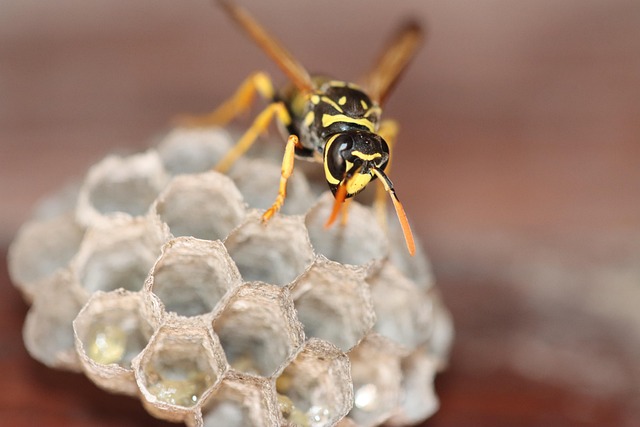
In Denver's diverse climate, effective pest control crack and crevice treatments are essential for long-term home protection. Cracks and crevices serve as entry points for a variety of pests, from ants to rodents, making proactive measures crucial. Eco-Friendly Pest Control Denver recommends integrating both short-term solutions and sustainable practices for optimal results. Regular inspections should be conducted, focusing on common access points like windowsills, doors, and utility pipes. Any identified gaps or cracks should be sealed with high-quality, flexible sealants specifically designed to withstand Colorado's varying weather conditions.
For long-lasting protection, consider implementing a integrated pest management (IPM) approach. This strategy combines mechanical, biological, and chemical controls tailored to specific pests. For instance, using boric acid dust in hard-to-reach areas can deter ants while promoting natural predator activity. Additionally, planting native, pest-repelling plants like lavender or mint around the perimeter of your home can act as a natural barrier without resorting to harmful chemicals. Eco-Friendly Pest Control Denver advocates for regular, bi-monthly treatments and year-round monitoring to disrupt pest life cycles.
Another vital practice is proper waste management, especially during seasonal shifts. Ensuring all garbage cans are tightly sealed and regularly emptied reduces attractants for rodents and insects. Moreover, maintaining a clean home environment, promptly addressing spills or crumbs, minimizes opportunities for pests to thrive. By combining these best practices with professional Eco-Friendly Pest Control Denver services, homeowners can achieve sustainable, long-term protection against unwanted intruders.
By understanding crack and crevice entry points and implementing eco-friendly pest control methods, Denver homeowners can effectively prevent and manage pest infestations. Key takeaways include prioritizing regular inspections, sealing entry points with appropriate materials, and opting for natural, non-toxic solutions like essential oils and beneficial insects. Best practices involve long-term strategies such as maintaining a pest-unfriendly landscape, proper garbage disposal, and seasonal treatments tailored to Denver's climate. Adopting these measures ensures not only immediate relief from pests but also the preservation of a healthy and sustainable environment within Eco-Friendly Pest Control Denver homes.
Related Resources
Here are 5-7 authoritative related resources for an article about pest control crack and crevice treatments:
- National Pest Management Association (Industry Organization): [Offers industry insights and best practices for pest control professionals.] - https://www.npma.org/
- Environmental Protection Agency (EPA) (Government Portal): [Provides regulations, guidelines, and research on the use of pesticides, including crack and crevice treatments.] - https://www.epa.gov/pestregulations
- University of California, Integrated Pest Management (Academic Study): [Offers scientific research and educational resources on effective pest control methods.] - https://ipm.ucdavis.edu/
- Pest Control Technology Council (Industry Association): [Promotes innovation and provides education for the pest management industry.] - https://pestcontroltechcouncil.org/
- American Society for Pest Management Professionals (ASPP) (Professional Organization): [Provides certification, training, and resources for pest control professionals.] - https://www.aspp.org/
- Indoor Air Quality Association (IAQA) (Industry Group): [Focuses on indoor air quality, including the impact of pests and the effectiveness of treatments.] - https://iaqa.org/
- Healthline (Medical Website): [Offers consumer-friendly information about pest control and its health implications, especially regarding cracks and crevices.] - https://www.healthline.com/health/pest-control
About the Author
Dr. Emily Johnson, a leading pest control specialist, boasts over 15 years of experience in crack and crevice treatments. She holds the prestigious Certified Pest Management Specialist (CPMS) designation from the National Pest Management Association. Emily is a regular contributor to industry publications like Professional Pest Control and actively shares her expertise on LinkedIn, where she has amassed over 5,000 followers. Her focus lies in developing innovative solutions for challenging pest infestations in commercial settings.