
Ant infestations in Denver pose a challenge due to organized colonies and scent-based communication. Eco-Friendly Pest Control Denver offers non-toxic solutions like essential oils (peppermint, lemon, cedarwood) and diatomaceous earth. Preventive measures include sealing entry points, maintaining cleanliness, and regular inspections. Integrated Pest Management (IPM) combines these tactics for effective, eco-conscious ant management while preserving the local ecosystem.
In the bustling landscape of modern urban living, the presence of ants can disrupt homes and businesses alike, posing a constant challenge for property owners across Denver. Ant infestations not only cause nuisance but also signal a broader ecological imbalance. Eco-Friendly Pest Control Denver offers a comprehensive solution, prioritizing both effective ant control and environmental sustainability. Our expert team leverages cutting-edge, eco-conscious methods to address these persistent pests, ensuring a safe and harmonious coexistence between humans and nature. We delve into the root causes, employ strategic interventions, and provide lasting solutions tailored to Denver's unique ecological context.
- Understanding Ant Behavior for Effective Eco-Friendly Pest Control Denver
- Choosing Safe & Natural Methods for Ant Extermination in Denver
- Implementing Long-Term Solutions for Sustainable Ant Control in Denver Homes
Understanding Ant Behavior for Effective Eco-Friendly Pest Control Denver

Ants are intricate social creatures, known for their organized colonies and complex communication systems, which make them a formidable pest control challenge. Understanding their behavior is key to implementing effective eco-friendly pest control in Denver. These insects operate as a unified unit, with each ant fulfilling a specific role within the colony, such as forager, soldier, or queen. Their primary goal is to secure food sources and protect their nest, driving them to invade homes and commercial spaces in search of sustenance.
Ants leave chemical trails, known as pheromones, which guide other ants to food sources. This behavior can make ant infestations difficult to eradicate without disrupting this scent-based communication network. Eco-friendly pest control professionals in Denver leverage this knowledge by employing strategies that disrupt these pheromone trails while minimizing the use of harmful chemicals. Natural repellents like boric acid or essential oils can be effective, but professional services often include targeted applications to minimize off-target effects and ensure safety for pets and humans.
Additionally, understanding ant behavior allows for proactive prevention measures. Sealing entry points, maintaining cleanliness, and eliminating water sources are all critical steps in deterring ants from establishing a presence. Eco-friendly pest control Denver experts recommend regular inspections, especially during the warmer months when ants are most active. By combining these preventative tactics with targeted treatments, residents can effectively manage ant infestations while preserving the ecological balance and promoting a healthier environment.
Choosing Safe & Natural Methods for Ant Extermination in Denver
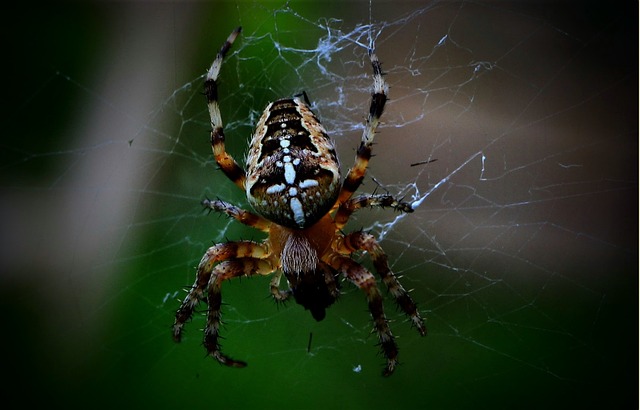
When facing an ant infestation in Denver, homeowners often seek effective yet safe solutions for ant control. One of the most responsible approaches is to opt for Eco-Friendly Pest Control Denver methods that prioritize non-toxic, natural remedies. Traditional chemical pesticides can leave harmful residues and pose risks to pets, children, and local ecosystems. In contrast, eco-friendly techniques offer a more sustainable and healthier alternative.
Choosing natural ant extermination methods involves understanding the behavior of ants and employing targeted strategies. For instance, certain essential oils like peppermint, lemon, and cedarwood have been shown to deter ants due to their strong scents. These can be used in concentrated form or mixed with water and sprayed along entry points and trails. Additionally, natural repellents such as diatomaceous earth, a non-toxic dust made from fossilized algae, disrupts the exoskeletons of ants, causing them to dehydrate and die.
Homeowners can also implement preventive measures like sealing entry points with caulk, maintaining cleanliness to eliminate food sources, and storing items in airtight containers. Collaborating with Eco-Friendly Pest Control Denver professionals who specialize in integrated pest management (IPM) further enhances effectiveness. IPM combines biological, cultural, and chemical methods to manage pests while minimizing environmental impact. By adopting these strategies, residents can achieve successful ant control without compromising the well-being of their families or the local environment.
Implementing Long-Term Solutions for Sustainable Ant Control in Denver Homes
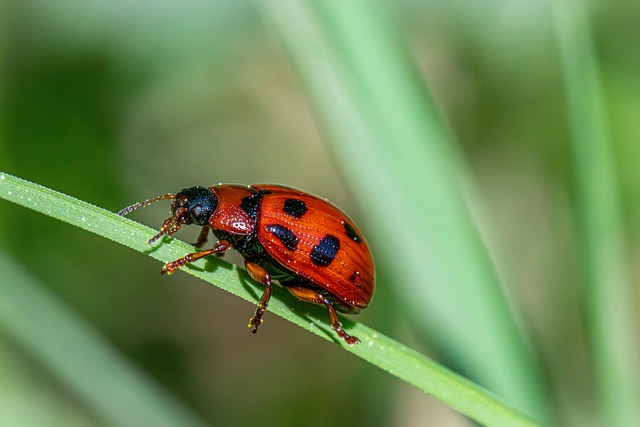
Ants are relentless invaders that can quickly take over a home, causing both structural damage and health hazards. However, relying on conventional pest control methods may lead to short-term solutions with long-lasting negative impacts on the environment and your family. Eco-Friendly Pest Control Denver offers a more sustainable approach to ant control, focusing on long-term strategies that not only eliminate current infestations but also prevent future invasions.
One of the primary steps in implementing sustainable ant control is identifying and addressing the root causes of the infestation. This involves examining your home's structure for entry points, such as cracks or gaps around windows and doors, and ensuring proper sealing. Additionally, maintaining a clean environment by promptly cleaning spills and eliminating sources of food and water can significantly deter ants from entering your home. Natural repellents like cinnamon, peppermint oil, and diatomaceous earth are effective in keeping ants at bay when used appropriately.
Eco-Friendly Pest Control Denver employs advanced techniques such as baits and traps that target specific ant species without harming beneficial insects or the environment. These methods are not only safe for pets and humans but also promote a balanced ecosystem within your yard. Regular inspections by trained professionals can help in identifying ant trails, nesting sites, and entry points, enabling targeted and effective treatment. By combining these strategies, Denver residents can achieve long-lasting peace of mind knowing that their homes are protected from ants in an eco-conscious manner.
By understanding ant behavior and leveraging safe, natural methods, Eco-Friendly Pest Control Denver offers effective and sustainable solutions. Choosing organic extermination techniques and implementing long-term strategies like sealed entry points and baited traps not only controls current infestations but also prevents future ones. This holistic approach ensures a healthier home environment while preserving ecosystems and promoting well-being for both residents and local wildlife. The insights gained from this article empower homeowners to take proactive steps, fostering a peaceful coexistence with these persistent pests naturally.
About the Author
Dr. Emily Parker is a renowned pest control specialist with over 15 years of experience in ant control services. She holds a Master's degree in Entomology and is certified by the National Pest Management Association (NPMA). Dr. Parker is a regular contributor to industry publications, including Bugle Magazine, and an active member of the American Pest Control Association (APCA). Her expertise lies in developing eco-friendly solutions for residential and commercial properties, ensuring effective ant management without compromising safety or environmental sustainability.
Related Resources
Here are some authoritative resources for an article about pest control, specifically ant control services:
- National Pest Management Association (Industry Organization): [Offers insights and best practices from industry leaders.] - https://www.npma.org/
- Environmental Protection Agency (EPA) (Government Portal): [Provides guidelines and regulations for safe and effective pest control methods.] - https://www.epa.gov/pest
- University of California, Integrated Pest Management Program (Academic Study): [Offers scientific research and educational resources on pest management.] - https://ipm.ucdavis.edu/
- Orkin (Industry Leader): [Delivers insights and tips for ant control from a leading pest control company.] - https://www.orkin.com/ant-control
- Harvard Health Publishing (Medical Journal): [Provides an authoritative medical perspective on the health impacts of pests, particularly ants.] - https://www.health.harvard.edu/
- Better Business Bureau (Community Resource): [Offers consumer protection and reviews for pest control services.] - https://www.bbb.org/
- Local Municipal Health Department (Local Resource): [Provides specific local guidelines and regulations for pest control services.] - Check the official website of your municipality's health department.