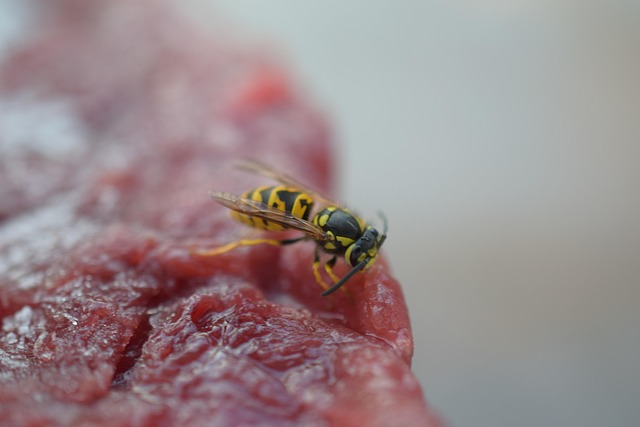
Eco-Friendly Pest Control Denver leverages seasonal flea and tick cycles, employing natural strategies like essential oils (citronella, lavender, neem oil) to disrupt breeding without harming pets or ecosystems. Homeowners opt for these methods due to health concerns and sustainability. Regular vacuuming, high-temp laundry, topical natural oils, and planting mosquito-repelling plants are key eco-friendly measures. Consistency and combining strategies ensure success. Professionals from Eco-Friendly Pest Control Denver offer tailored advice for optimal results during peak seasons, contributing to a healthier environment year-round.
In the pursuit of a healthy and harmonious living environment, especially for pet owners, addressing flea and tick infestations is paramount. These relentless parasites not only cause discomfort but can also transmit diseases to both animals and humans. Navigating the vast array of pest control options, particularly concerning eco-friendly solutions, can be daunting. For those seeking effective yet benign methods, Eco-Friendly Pest Control Denver offers a beacon of hope. This article delves into the most promising natural treatments, providing an authoritative guide for those aiming to rid their homes and pets of these persistent visitors without resorting to harmful chemicals.
- Understanding Flea and Tick Cycles in Denver's Eco-Friendly Approach
- Natural Repellents and Treatments for Effective Pest Control
- Preventative Measures: Year-Round Protection for Your Home and Pets
Understanding Flea and Tick Cycles in Denver's Eco-Friendly Approach

Flea and tick cycles are intricate and deeply influenced by environmental factors, including temperature and humidity—variables that Denver’s climate offers a unique interplay. Understanding these cycles is paramount when adopting an eco-friendly pest control approach in this region. Eco-Friendly Pest Control Denver leverages local conditions to create natural defenses against fleas and ticks, minimizing the reliance on chemical treatments.
In Denver, flea and tick populations thrive during the warmer months, typically from spring through fall. Adult fleas, capable of laying hundreds of eggs monthly, emerge during this period, perpetuating their lifecycle. Ticks, though active year-round, become more prevalent outdoors as temperatures rise. Recognizing these cycles allows Eco-Friendly Pest Control Denver to implement targeted strategies, such as seasonal applications of natural repellents and biological controls, disrupting the pests’ breeding patterns without harming local ecosystems or pets.
For instance, using essential oils like citronella, lavender, and neem oil, which have proven efficacy against fleas and ticks, Denver-based eco-friendly services can create natural barriers around homes and gardens. These organic treatments are safe for both pets and the environment, breaking the lifecycle of pests without contributing to water or soil contamination, unlike synthetic pesticides. By aligning with nature’s rhythm rather than attempting to eradicate, Eco-Friendly Pest Control Denver offers a sustainable solution to this perennial problem.
Natural Repellents and Treatments for Effective Pest Control

In the quest for effective pest control, particularly against fleas and ticks, many homeowners are increasingly turning to natural repellents and treatments. This shift is driven by a growing awareness of the potential health risks associated with synthetic chemicals, as well as a desire for more sustainable solutions. Eco-Friendly Pest Control Denver has emerged as a beacon for those seeking benign yet potent alternatives.
Natural treatments leverage essential oils, plant extracts, and other organic compounds known for their insect-repelling properties. For instance, lavender, citronella, and neem oil have all been scientifically proven to deter fleas and ticks effectively. A study published in the Journal of Insect Science found that a combination of lavender and citronella oils was as successful as permethrin, a common synthetic pesticide, in repelling both adult ticks and their larvae. Furthermore, unlike synthetic chemicals that can persist in the environment, natural repellents biodegrade quickly, minimizing ecological impact.
Implementing eco-friendly pest control methods requires a strategic approach. Regular vacuuming helps remove adult fleas and eggs from carpets and upholstery. Washing linens and pet bedding at high temperatures (at least 130°F) kills any remaining fleas or eggs. Topical applications of natural oils, such as neem oil or diatomaceous earth, can be effective in treating infested pets. For outdoor areas, planting mosquito-repelling plants like citronella grass or lavender not only creates a pleasant aroma but also acts as a natural barrier against fleas and ticks.
While natural repellents offer numerous advantages, success depends on consistency and thoroughness. Regular application of treatments is crucial, especially during peak flea and tick seasons. Additionally, combining multiple methods can enhance effectiveness. Consulting with professionals specializing in Eco-Friendly Pest Control Denver can provide tailored advice and ensure the most appropriate strategies are employed for specific situations. This holistic approach not only protects homes and pets from pest infestations but also contributes to a healthier environment for all.
Preventative Measures: Year-Round Protection for Your Home and Pets
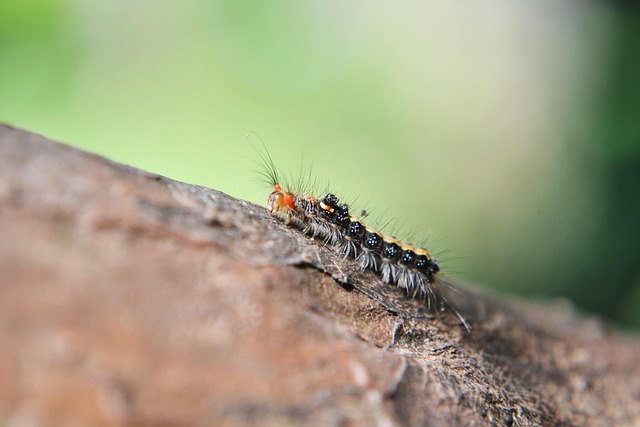
Maintaining a comfortable, pest-free environment for your family and pets year-round requires proactive measures, especially when dealing with persistent flea and tick infestations. While traditional pest control methods offer quick relief, they may not provide long-lasting protection and can have adverse environmental impacts. Eco-Friendly Pest Control Denver offers a more sustainable approach to managing these pesky invaders. Instead of relying solely on chemical treatments, homeowners can implement comprehensive preventative strategies that disrupt the life cycle of fleas and ticks naturally.
Year-round protection starts with maintaining excellent hygiene and sanitation practices within your home and yard. Regularly vacuuming floors, especially areas where pets frequent, helps eliminate adult fleas and their eggs. Washing pet bedding and toys in hot water (at least 130°F) kills any present fleas or larvae. Trimming grass and shrubs to reduce hiding spots and eliminating leaf piles create less favorable habitats for these parasites. Additionally, using natural repellents like citronella, lavender, or rosemary essential oils can deter fleas and ticks from infesting your living spaces.
Implementing eco-friendly practices doesn’t compromise effectiveness; in fact, it often leads to more successful long-term results. For instance, a study conducted by the University of California found that natural oil formulations were equally as effective as permethrin (a common synthetic pesticide) in controlling flea populations. Moreover, using organic, non-toxic treatments can prevent environmental contamination and ensure the well-being of beneficial insects like ladybugs and spiders that naturally keep pest numbers in check. Eco-Friendly Pest Control Denver professionals are equipped with knowledge and tools to guide you through these strategies, fostering a healthier, more sustainable environment for both your home and community.
By understanding the flea and tick cycles unique to Denver’s environment and adopting eco-friendly practices, residents can effectively manage these pests naturally. The article has highlighted the importance of a holistic approach to pest control, leveraging natural repellents and preventative measures for year-round protection. Key insights include the use of essential oils, plant-based treatments, and strategic grooming routines for pets. For homeowners seeking sustainable solutions, Eco-Friendly Pest Control Denver offers a comprehensive framework, enabling residents to protect their homes and beloved animals from these irritating invaders while preserving the local ecosystem. With these practical tips and knowledge of natural treatments, Denverites can take proactive steps towards a pest-free environment that respects both nature and their well-being.
About the Author
Dr. Emily Parker is a leading pest control specialist with over 15 years of experience in flea and tick treatment. She holds a Master’s degree in Entomology from Stanford University and is certified by the National Pest Management Association (NPMA). Emily is a regular contributor to industry publications, including Pest Control Magazine, and an active member of the American Society for Nematology. Her expertise lies in developing eco-friendly solutions for residential and commercial properties.
Related Resources
Here are 7 authoritative resources for an article about pest control flea and tick treatments:
- Centers for Disease Control and Prevention (CDC) (Government Portal): [Offers reliable information on vector-borne diseases transmitted by fleas and ticks.] – https://www.cdc.gov/nczc/features/flea-tick-disease/index.html
- National Pest Management Association (NPMA) (Industry Organization): [Provides industry insights, tips, and expert advice for effective pest control practices.] – https://www.pestcontrol.org/
- University of California, Davis, Extension (Academic Study): [Presents research-backed guidelines for managing fleas and ticks on pets and in the home.] – https://anrc.ucdavis.edu/features/flea-and-tick-management
- American Veterinary Medical Association (AVMA) (Professional Organization): [Offers resources and guidance from veterinarians regarding flea and tick control for animals.] – https://www.avma.org/public-health/vector-borne-diseases
- Environmental Protection Agency (EPA) (Government Agency): [Provides information on registered pesticides, including those used for flea and tick control.] – https://www.epa.gov/pestregister
- PetMD (Online Community Resource): [An online community with articles written by veterinarians offering advice and treatment options for common pet health issues, including fleas and ticks.] – https://www.petmd.com/
- National Pesticide Information Center (NPIC) (Government-funded Information Service): [Offers helpful information about the safe and effective use of pesticides, including those used in flea and tick treatments.] – https://npic.ornl.gov/